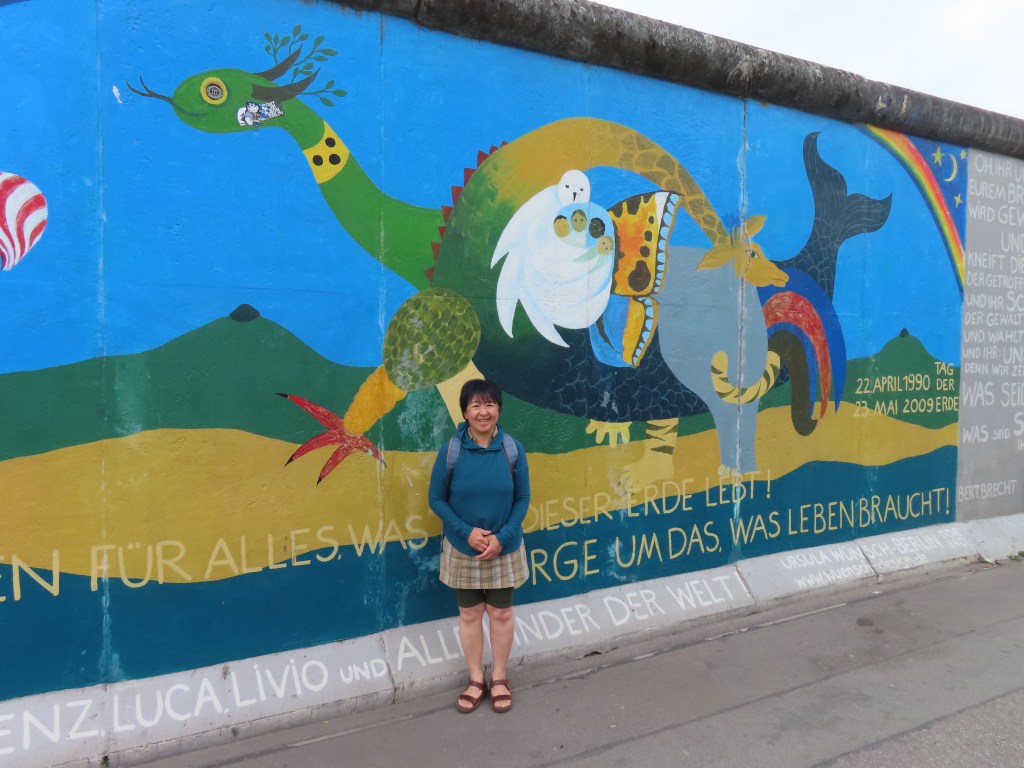
I went to see the Berlin Wall. It was built in 1961. In 1989, the border was opened, and in 1990, East and West Germany were reunified. Most of the wall was removed, but some sections were preserved, and artists painted murals on them.
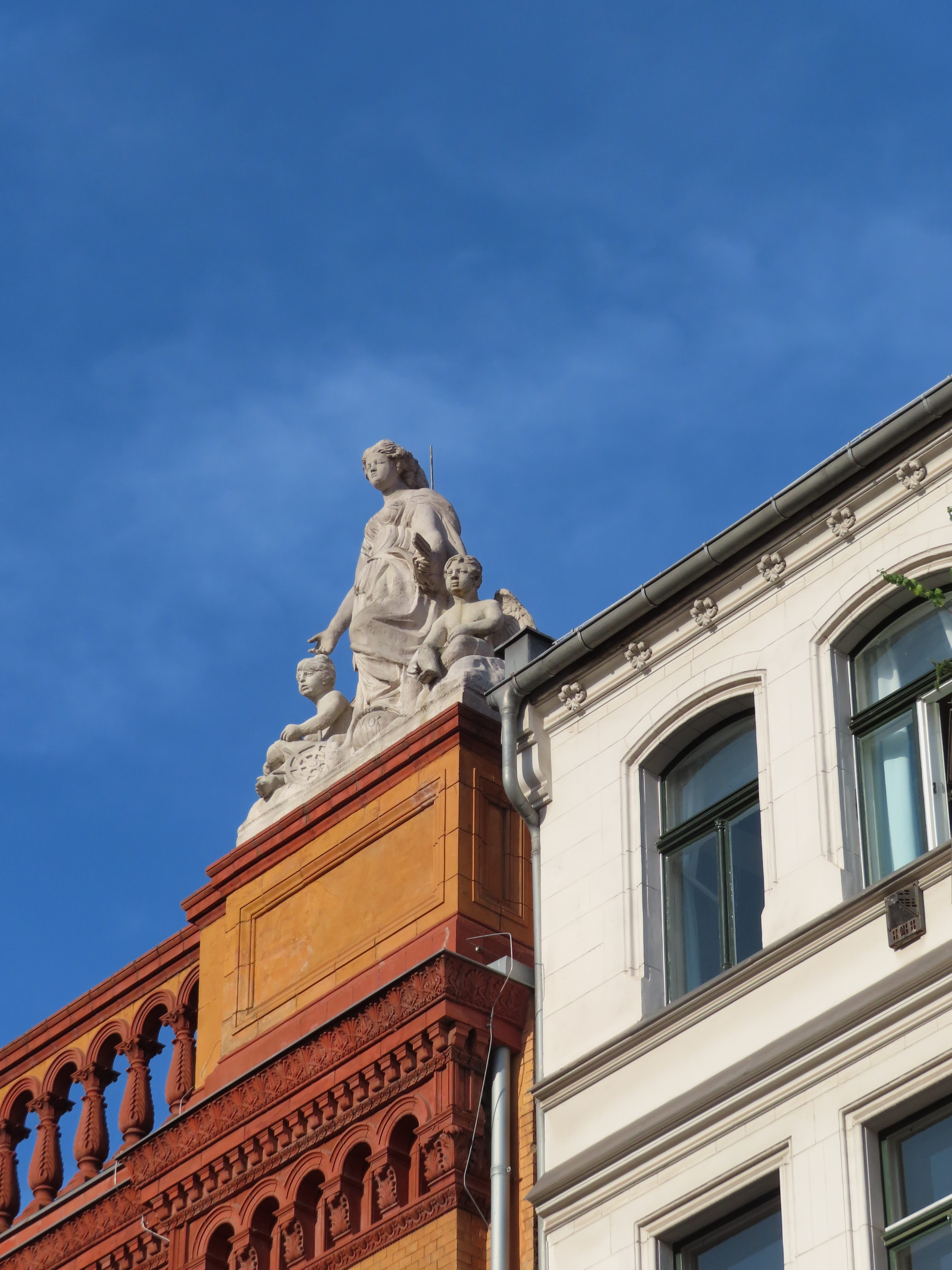
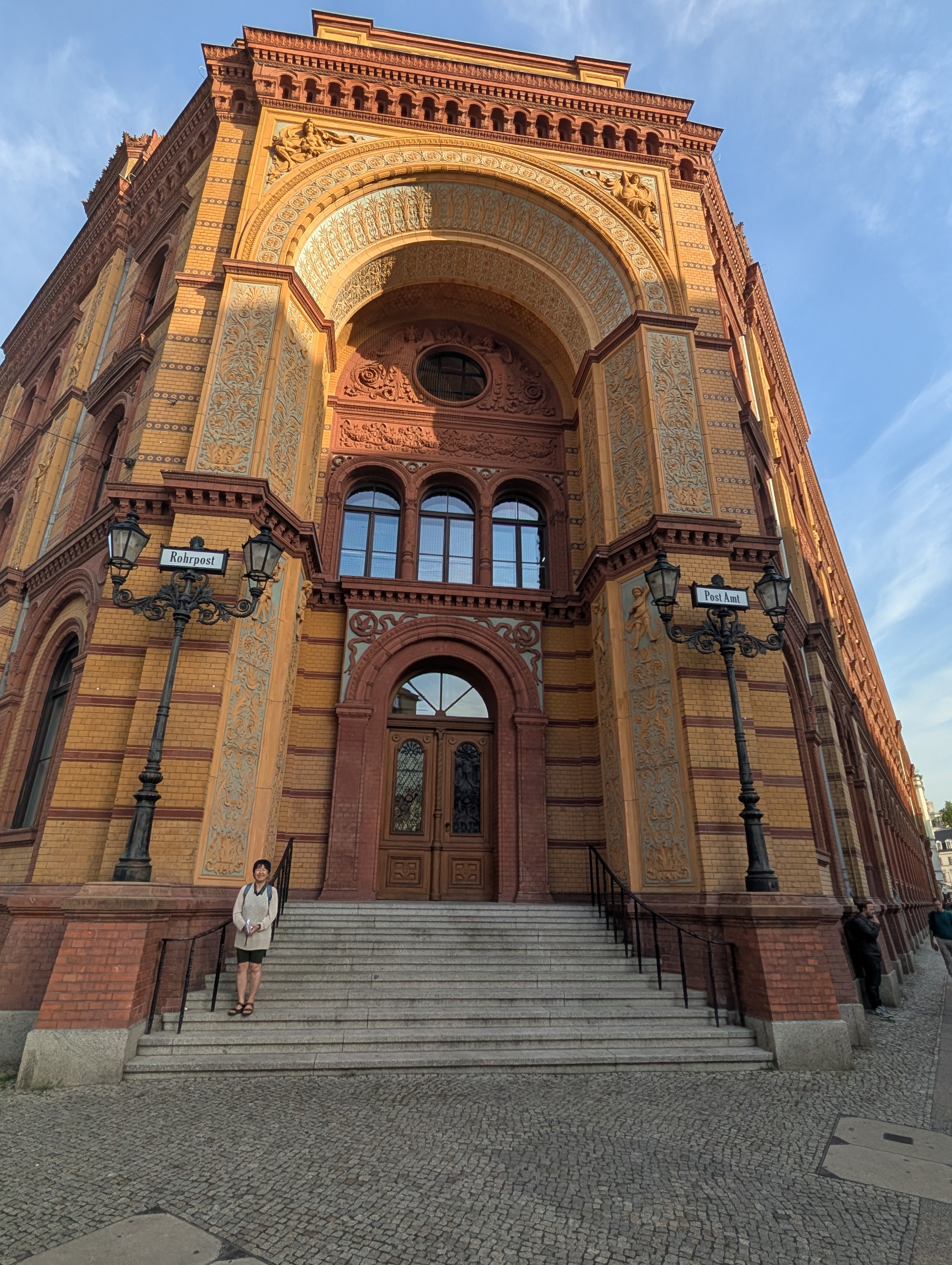
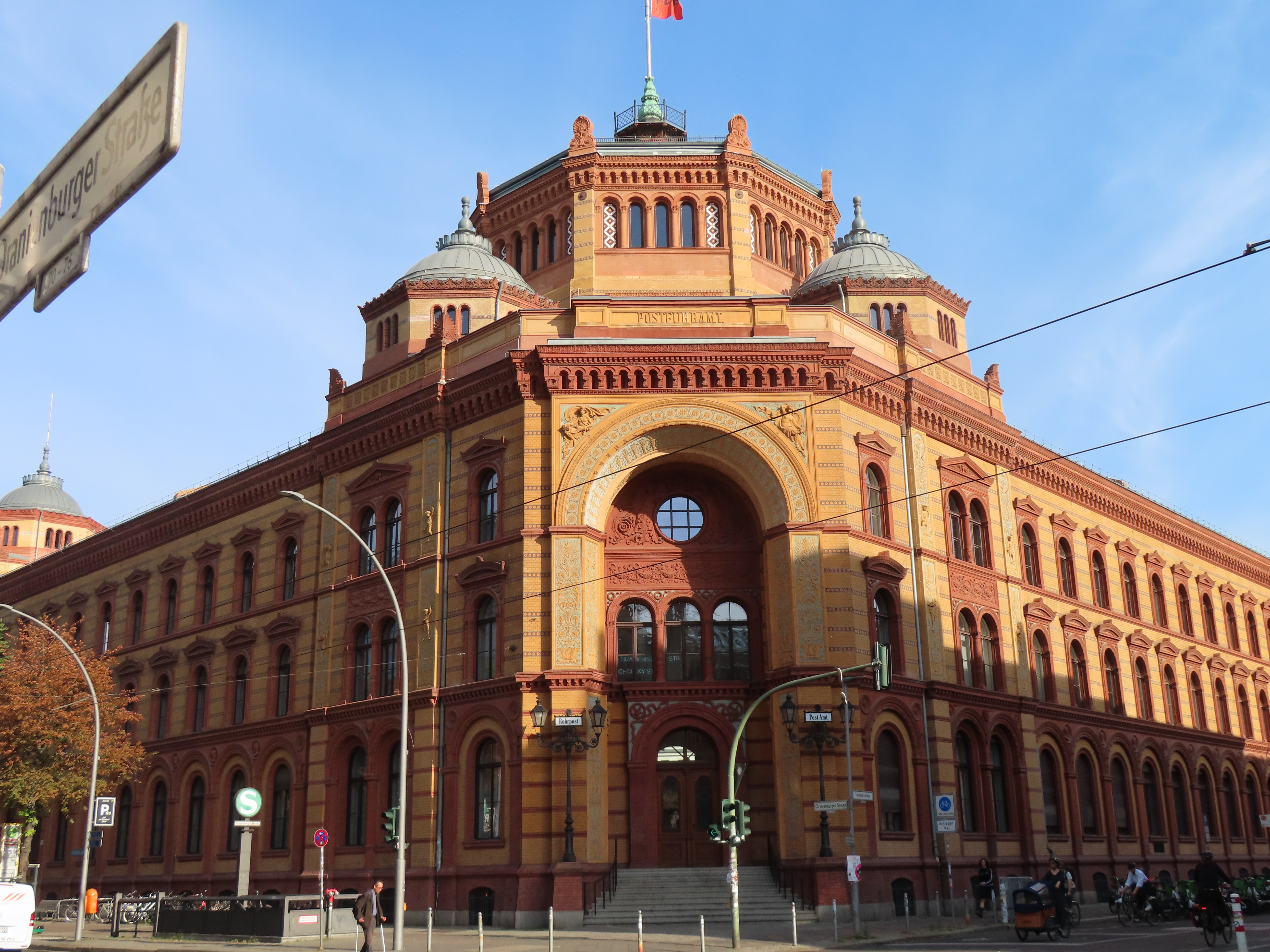
We went to visit a former post office building on Oranienburger Straße. As I walked toward the building, I could see sculptures of a woman and a child on the roof. They are said to symbolize charity and the protection of the family.
The building was constructed between 1875 and 1881. It served as a post office and was also used to manage the postal coaches. It reportedly had stables for about 250 horses, as well as housing for postal workers.
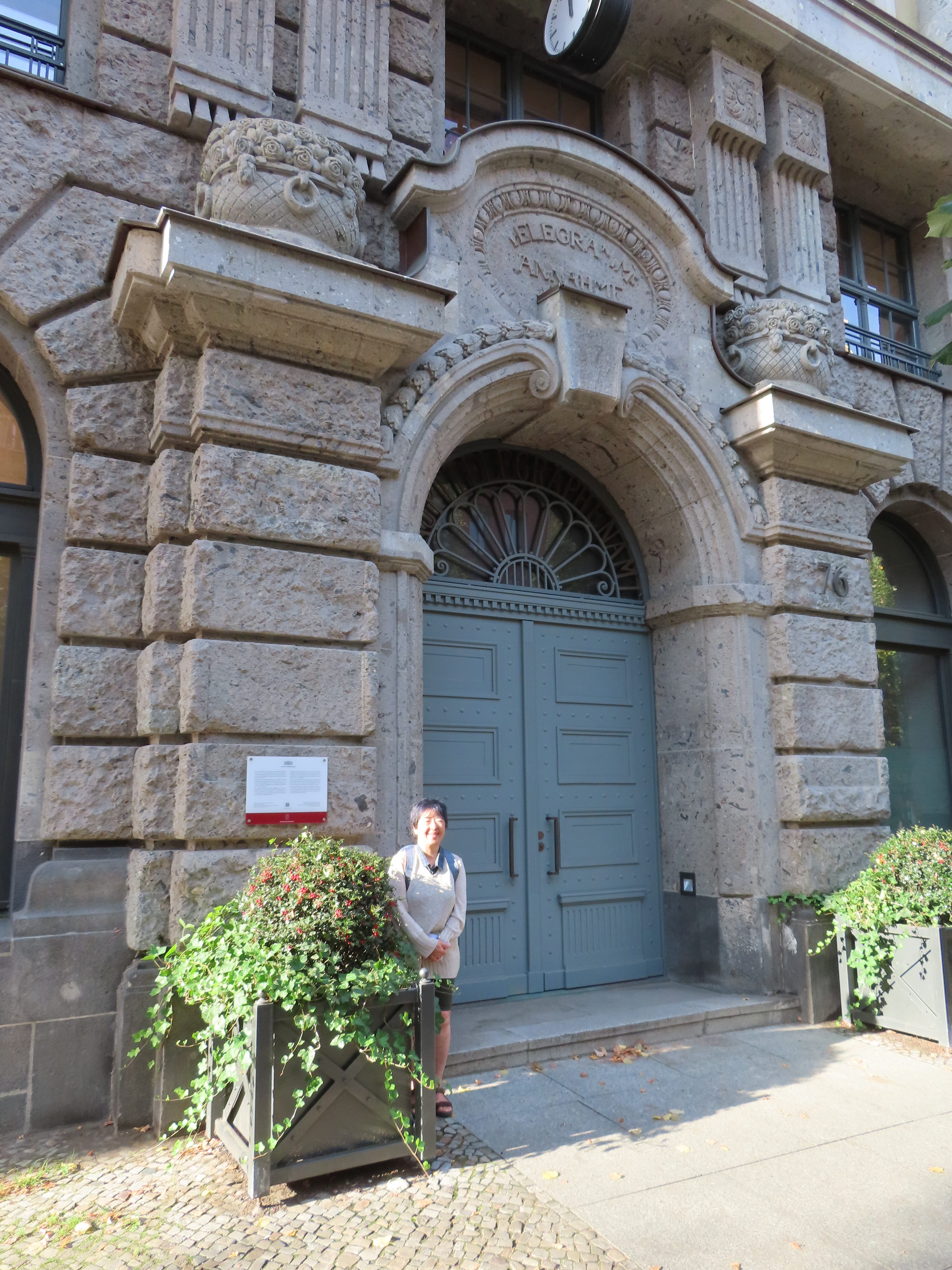
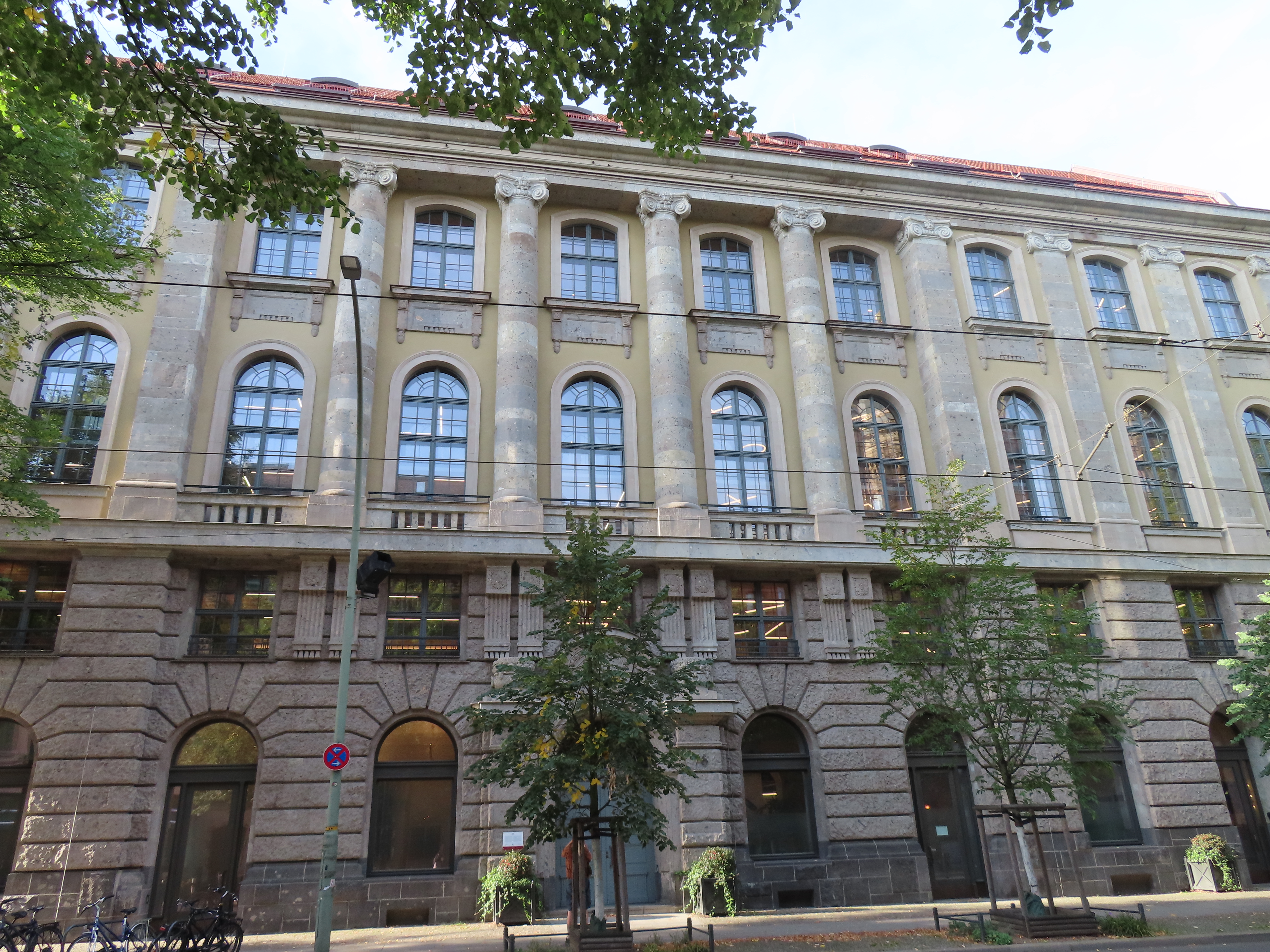
Nearby was the former Central Telegraph Office. It was built between 1789 and 1791 and was acquired by the Imperial Post in 1898. It was used for handling parcels and also had a dining hall for postal workers.
During the East German period, it became an institute for postal and telecommunications research. Today, the building is used as office space.
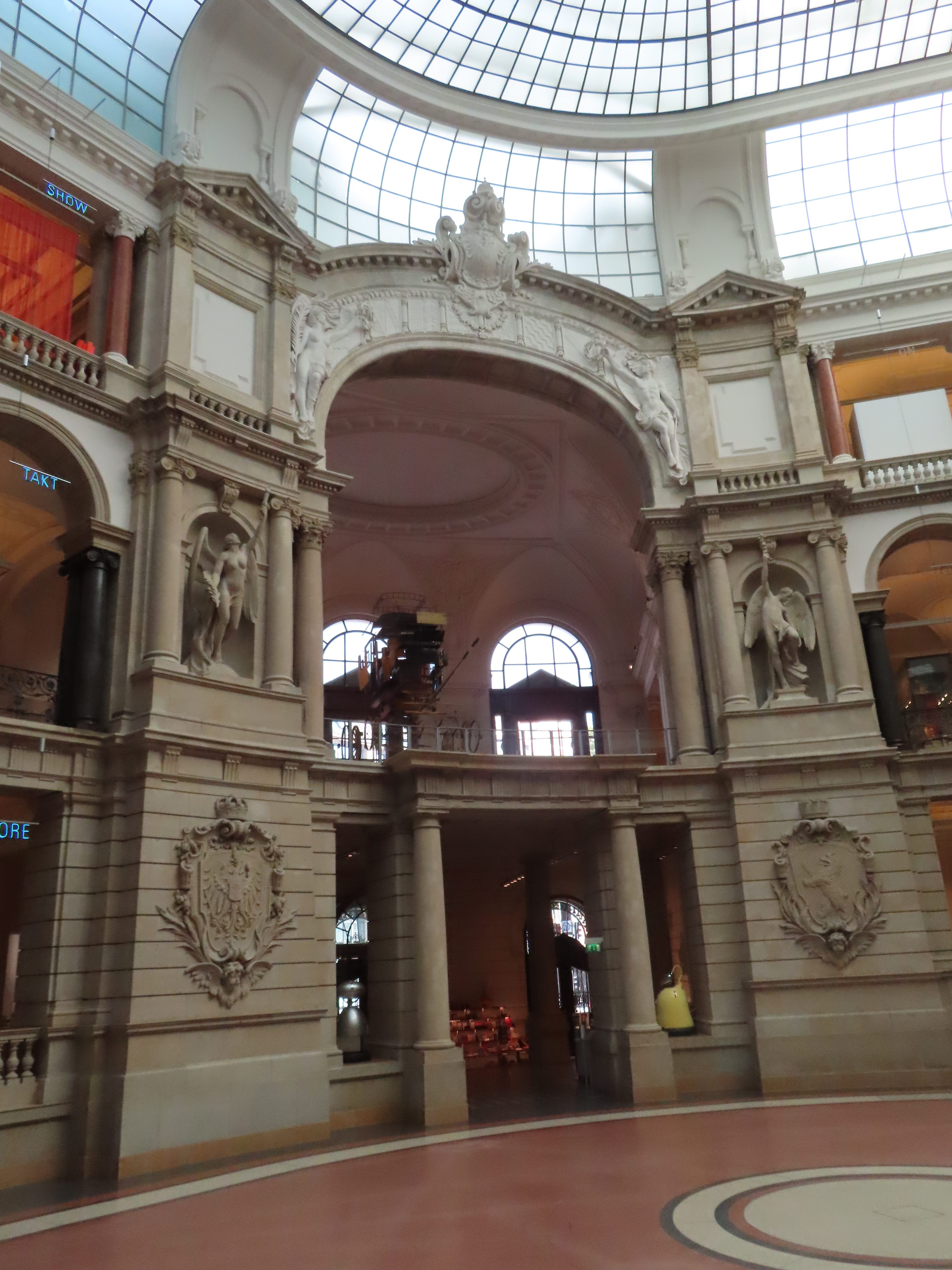
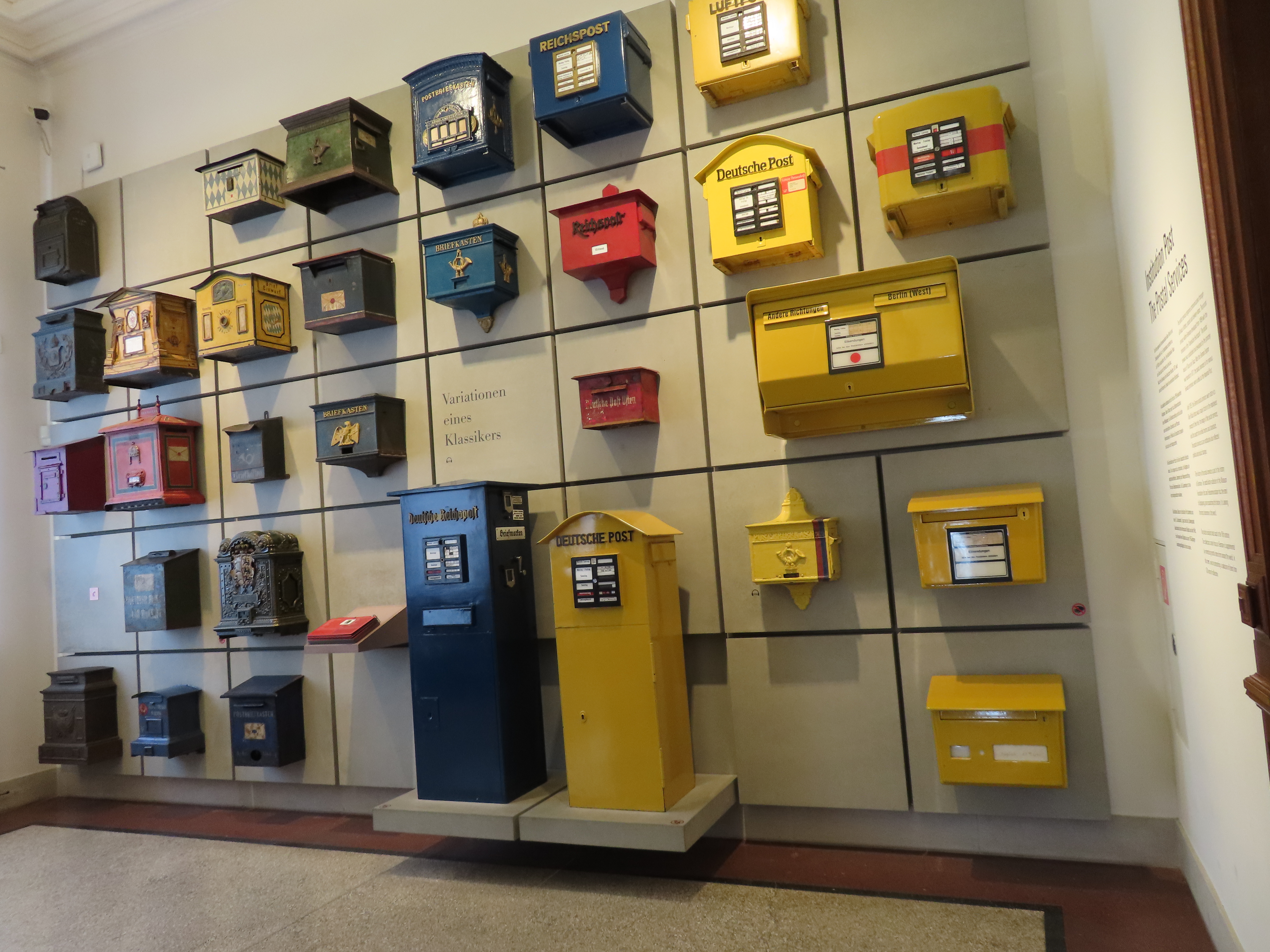
The Museum of Communication in Berlin is said to be the world’s oldest postal museum, founded in 1872.
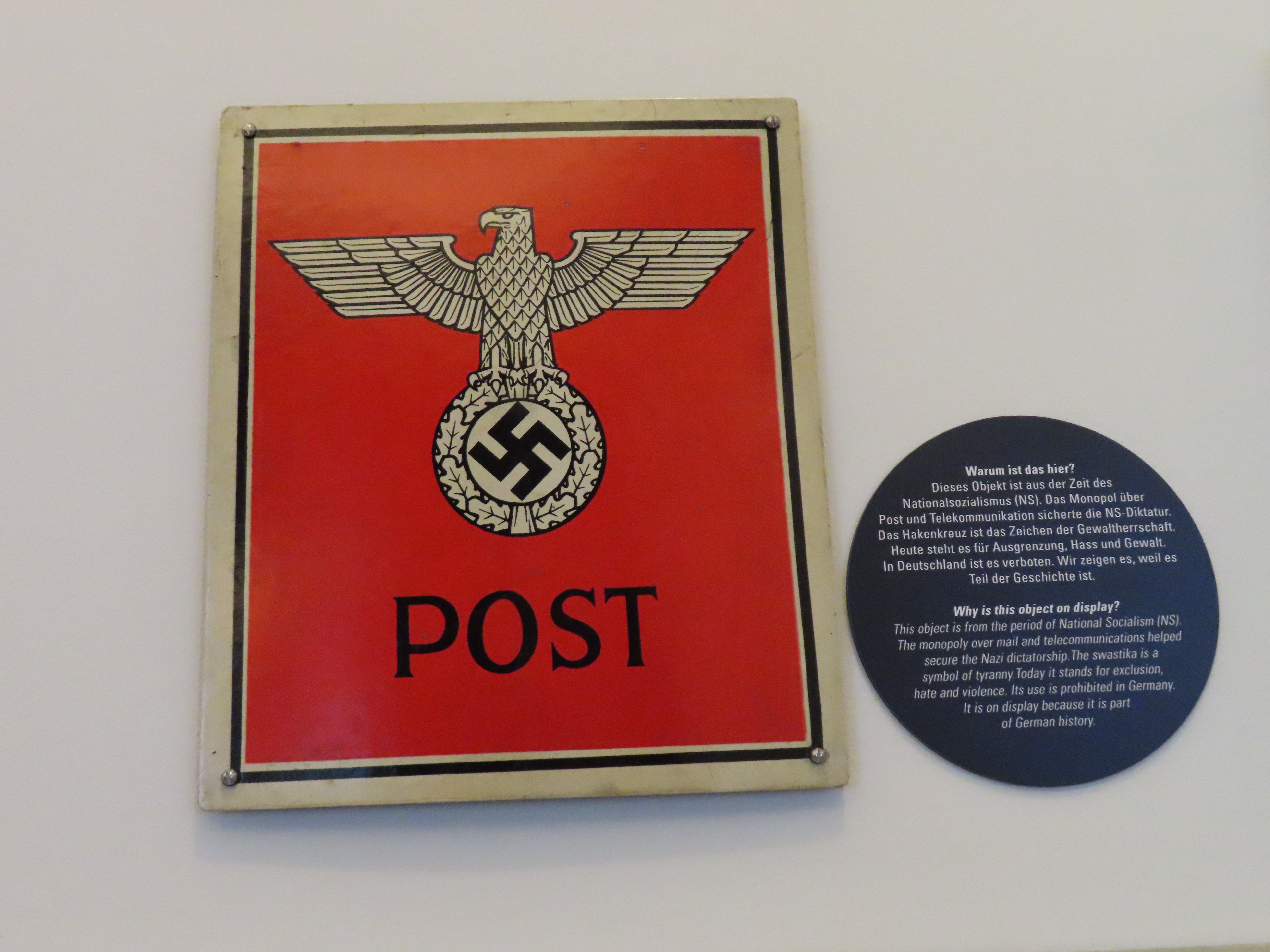
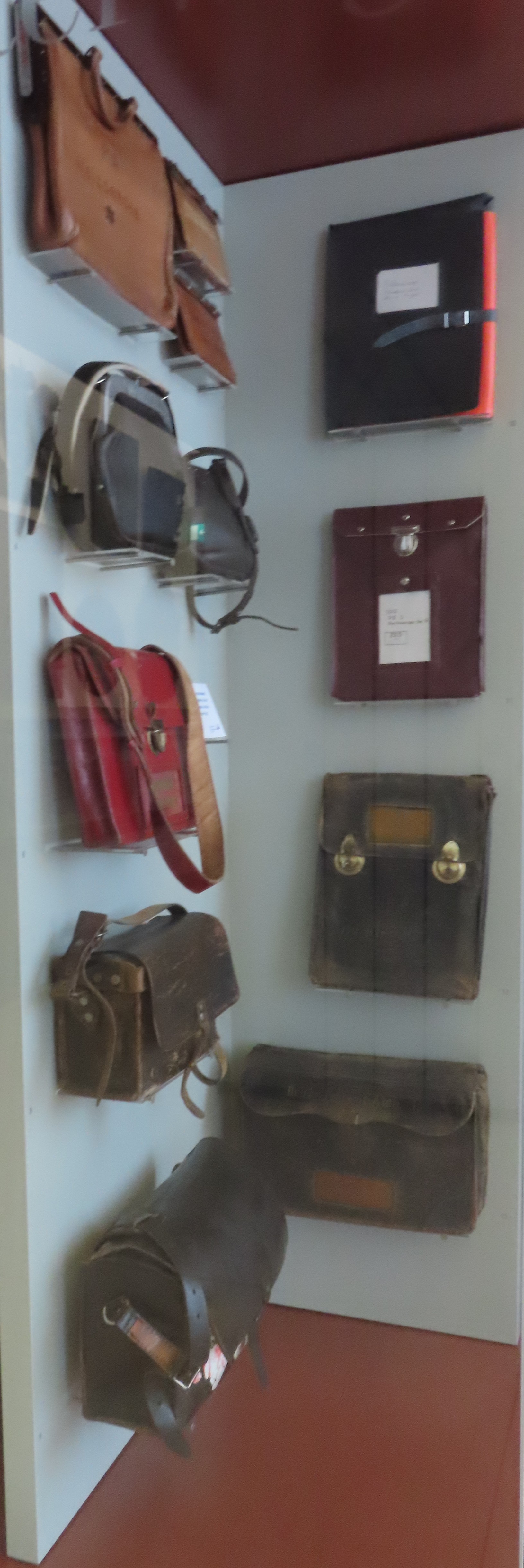
Postal carriers used to make their deliveries carrying the mail in heavy leather bags. I also saw postal signs from the Nazi era. Even during the Nazi period, mail trucks were painted red.
East and West Germany sometimes refused to accept certain stamps for political reasons. This was known as the “Stamp War.”
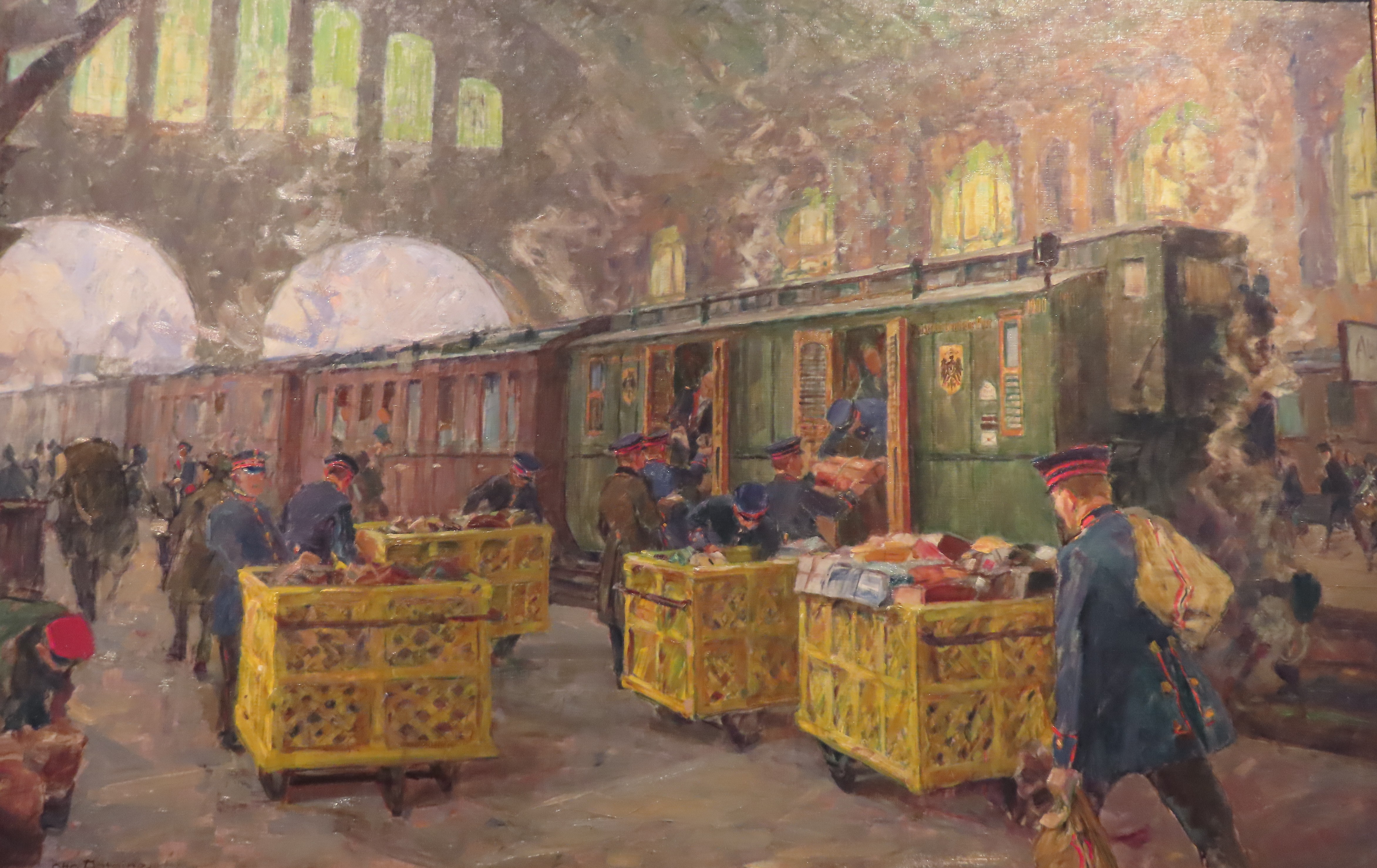
There were also paintings by the artist Otto Antoine on display. Otto was an employee of the Imperial German Post and was known as the “Postal Painter.”
Because he actually worked at a post office, he was able to depict the work of postal employees and the handling of mail and parcels in remarkable detail. One of his paintings was used as the design for a charity stamp.
We took a tour of the Berlin Philharmonie. It had been Tim’s dream since he was a child.
The building was designed by an architect who loved ships. The walls are not straight, allowing the sound to travel naturally throughout the hall.
The orchestra is democratic, with the musicians playing an important role in running it rather than leaving everything to the conductor. Women musicians were also hired at a time when orchestras were dominated by men.
Inside the hall, the sound of an instrument rang out suddenly, and I found myself listening intently. One by one, the musicians began to arrive to rehearse, each practicing their own instrument.
Pre-rehearsal scene (video clip)
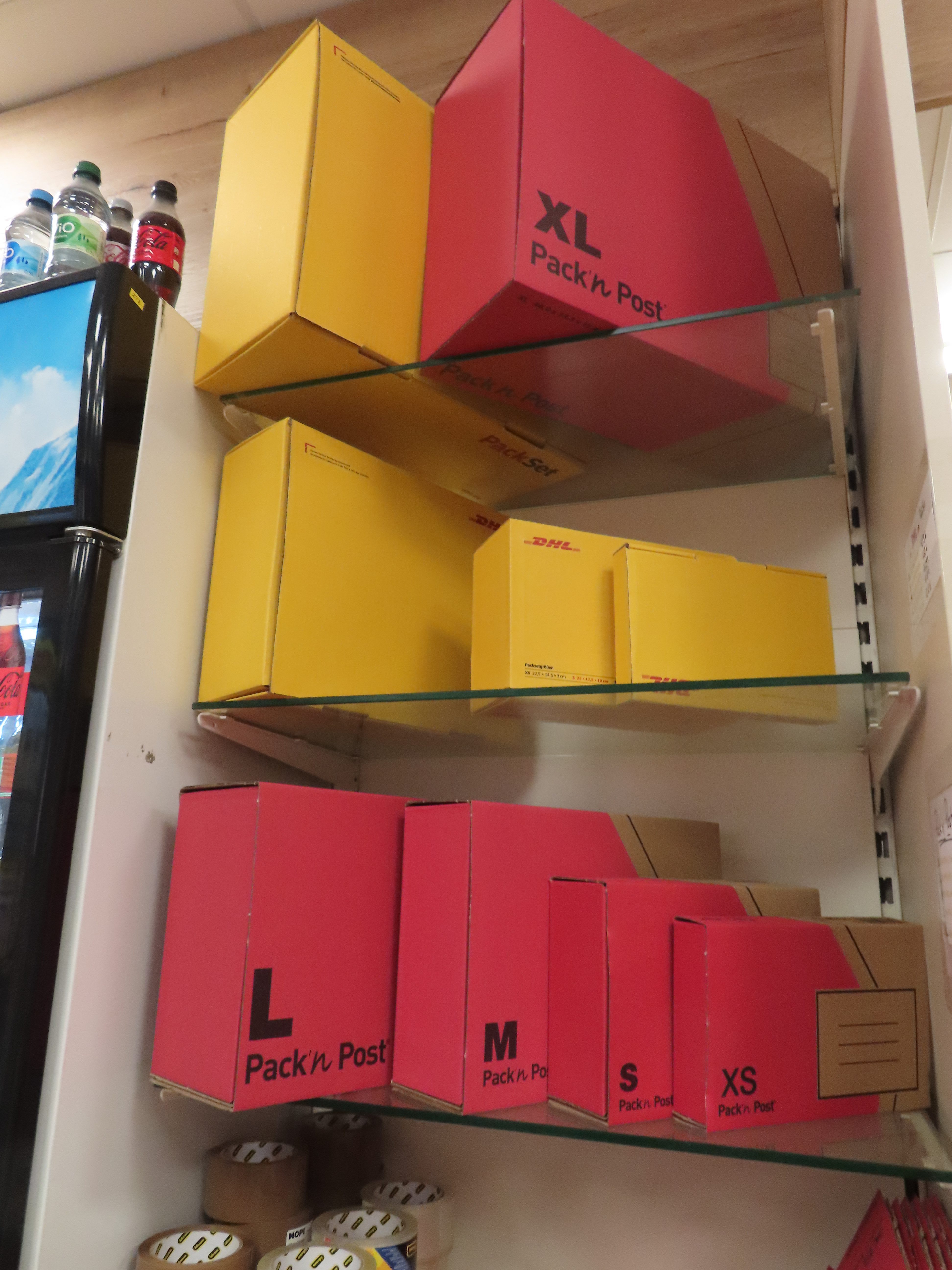
Near our hotel, there was a small convenience store inside a supermarket that also handled postal services. I bought some postcards there.
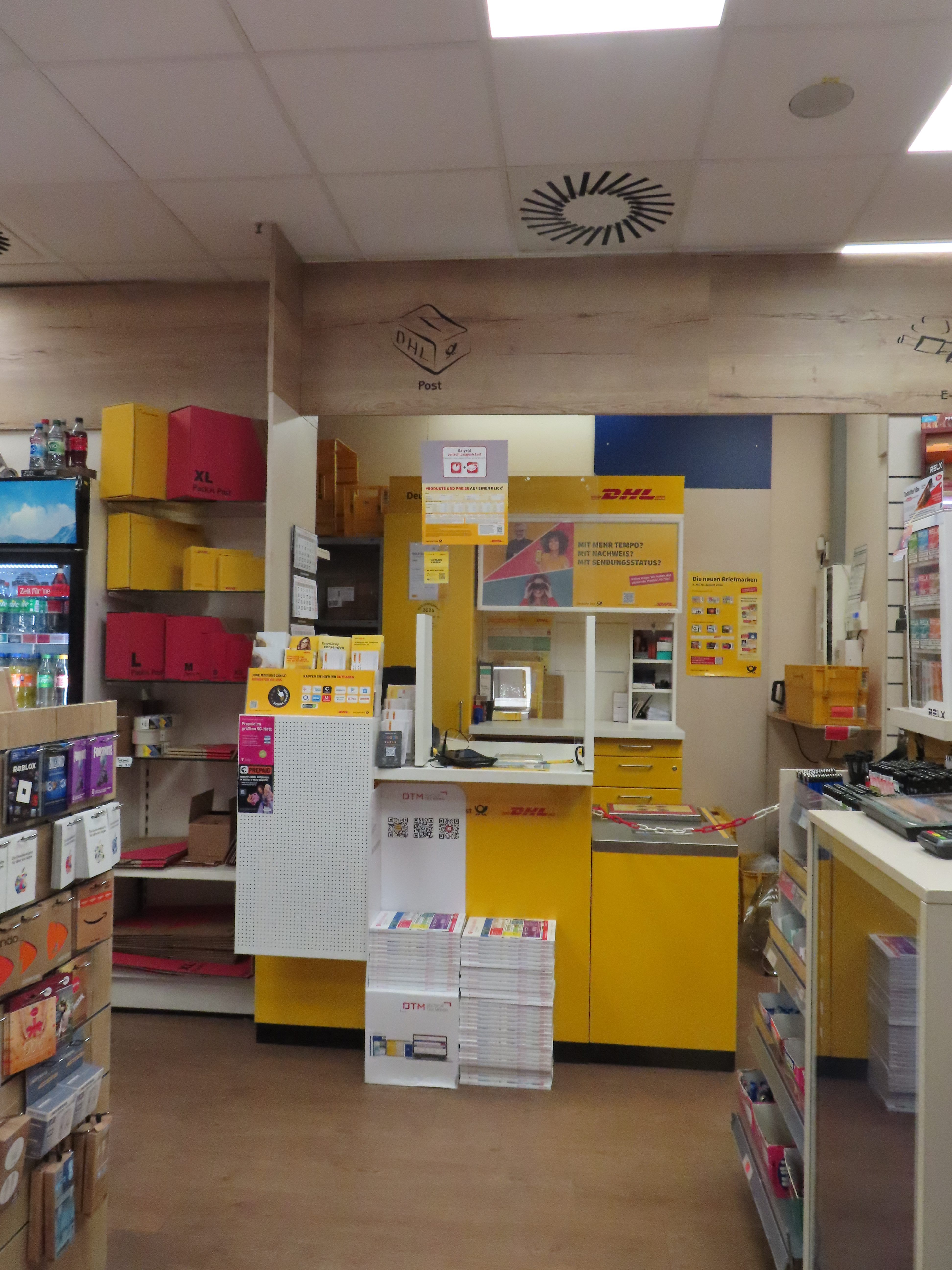
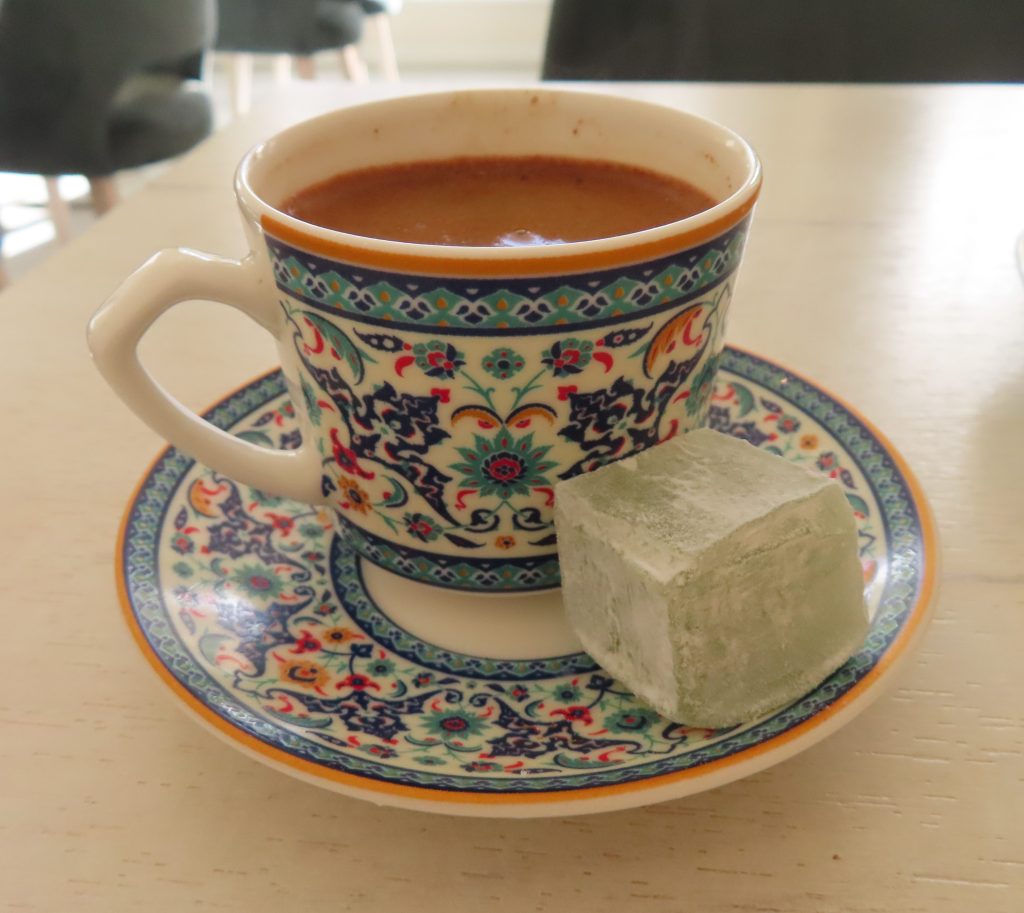
On my way back, I stopped for a Turkish mocha. Berlin has a large Turkish immigrant community.
On the sixth floor of our hotel, my husband was eating a kebab while looking out the window.
“Issey, there’s a postal carrier on a bicycle!” he called.
I grabbed my backpack and hurried into the elevator. I chased after the postal carrier as he rode away on his bicycle.
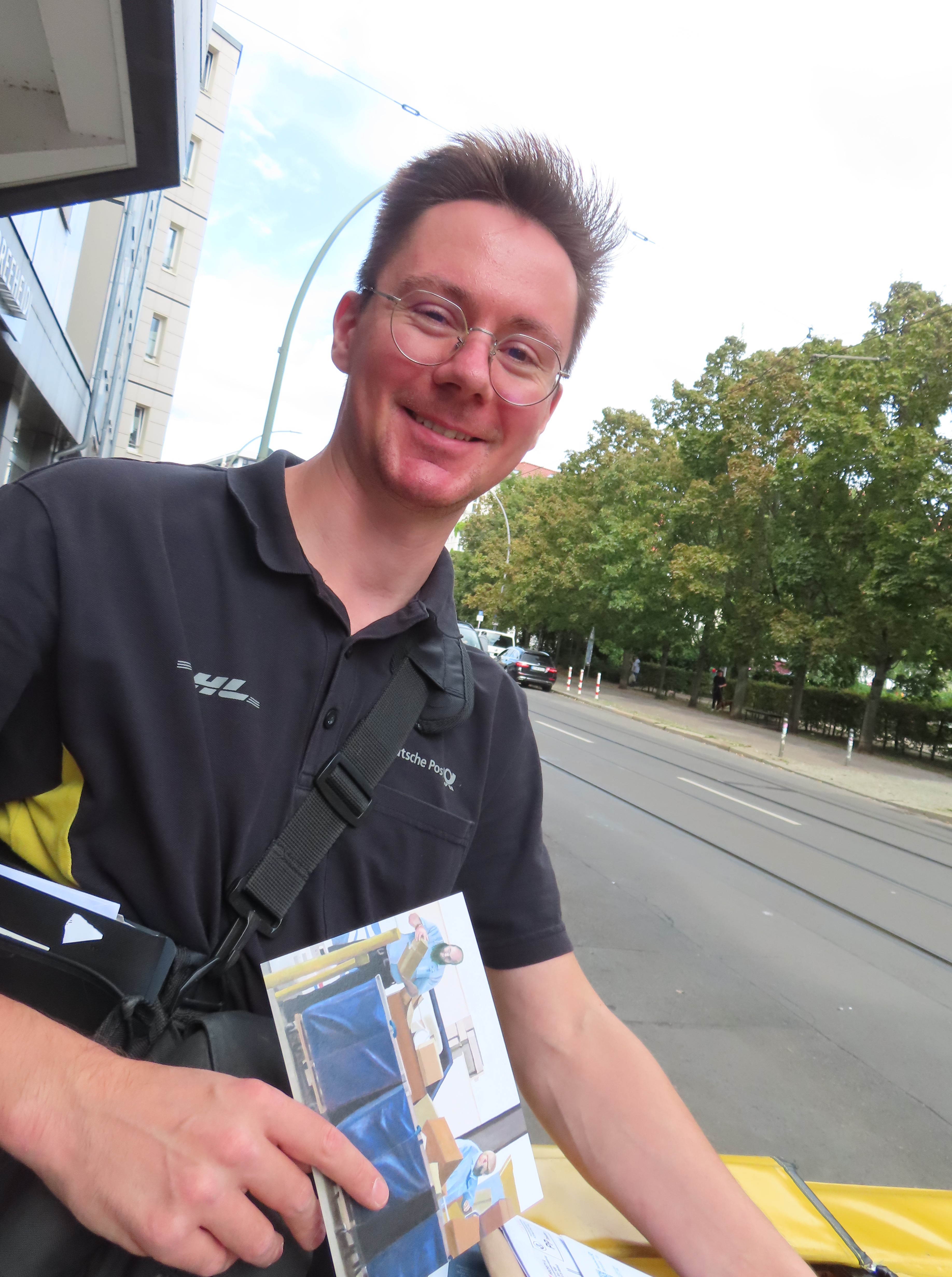
“Hello!” I called, and handed him a postcard. “For me?” he asked.
“I’m Issey” I said. What’s your name?” “James,” he said.
We shook hands. After reading the card, James put it away and said, “Danke schön.”
When I returned to our room, Tim said, “You caught up with him!”
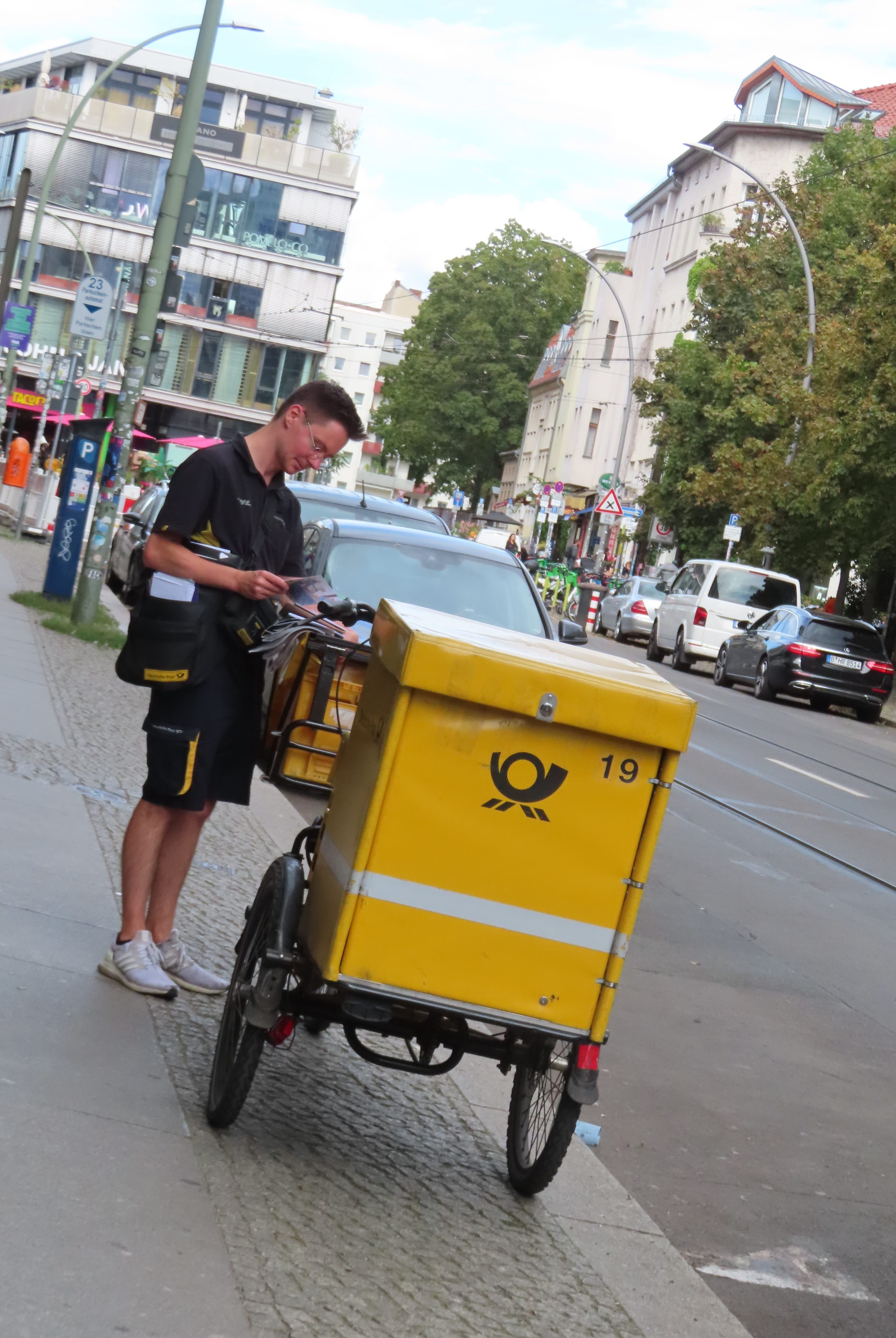
Berlin was bustling with people and cars, and I thought making deliveries there must be challenging for postal carriers.
At the Berlin Wall, I had been pickpocketed by scammers. After that, I thought Berlin was an unpleasant place, but thanks to James, I felt warm again.
