After Berlin, Leipzig was the second-largest city in East Germany, but today it has a population of about 600,000—only about one-sixth the population of Berlin.
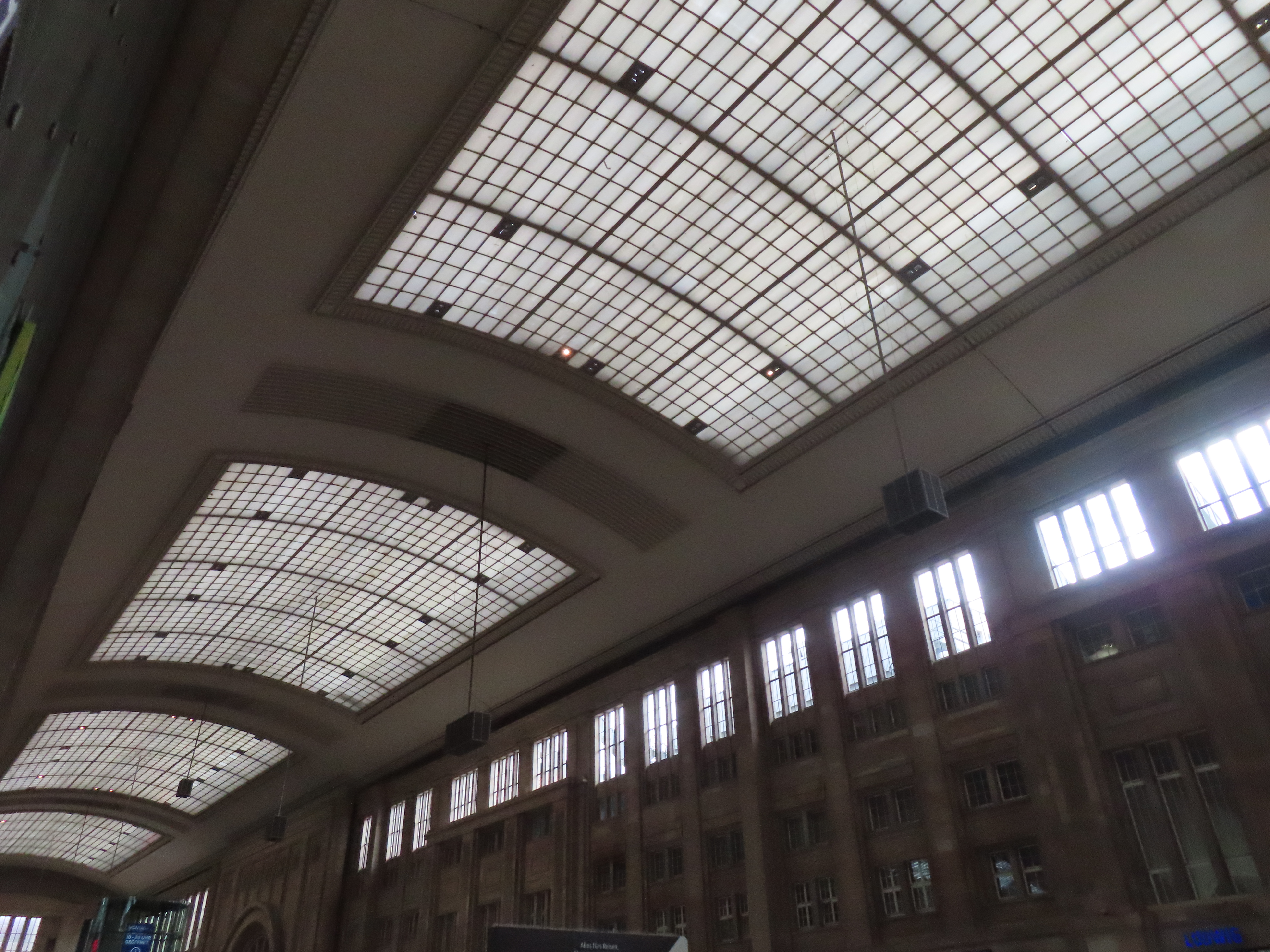
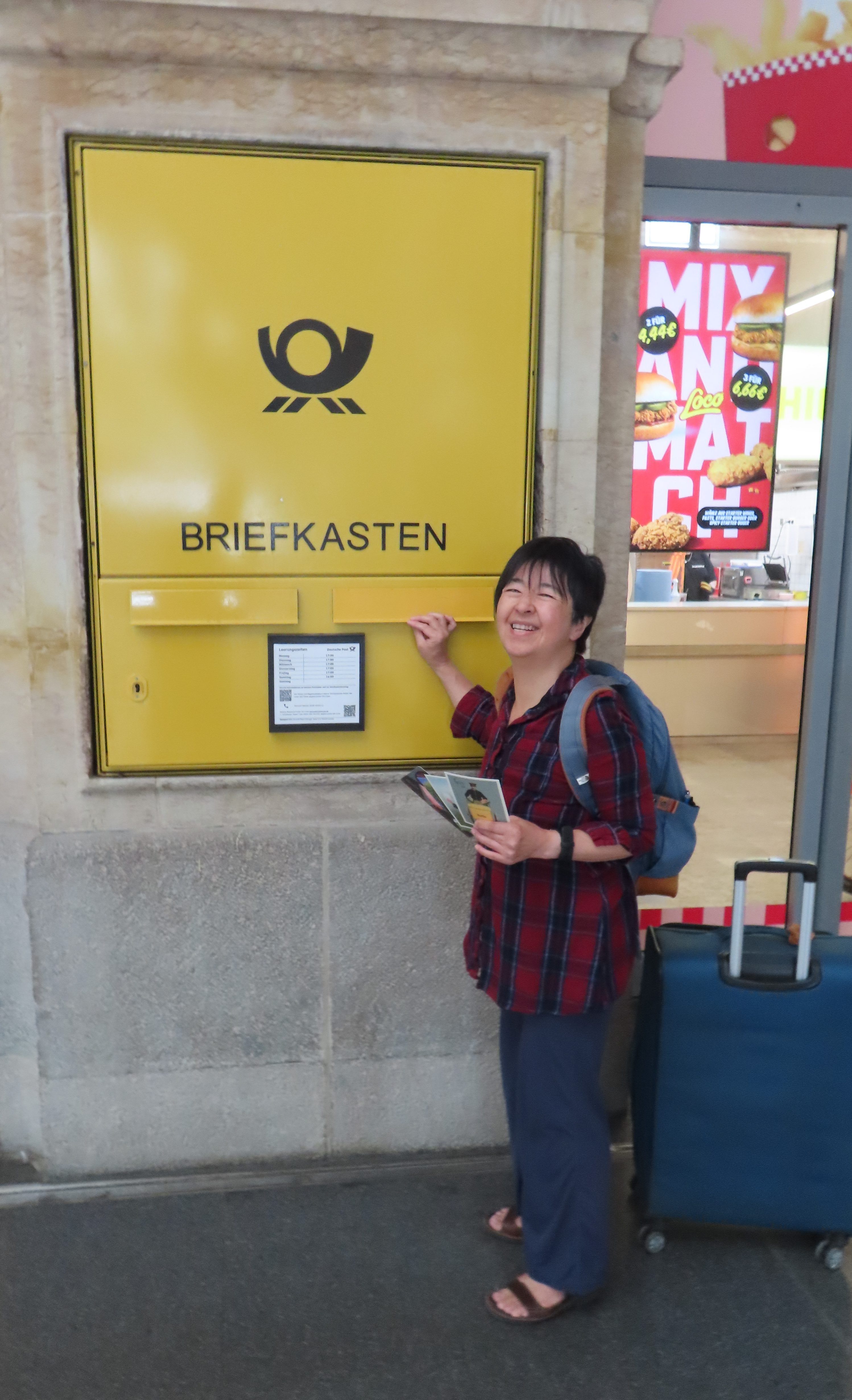
I mailed some postcards at the Leipzig railroad station.
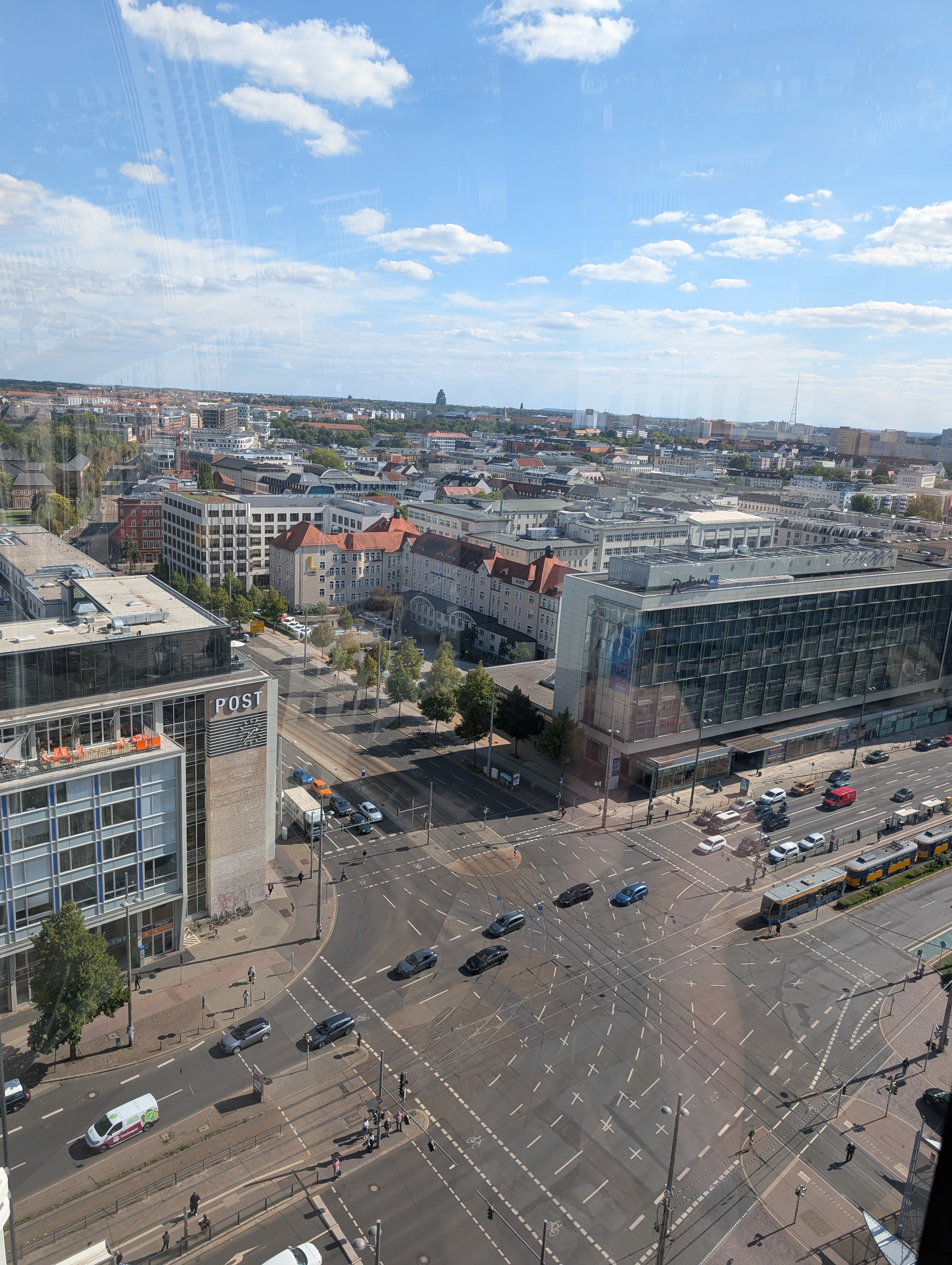
Arriving at Augustusplatz, I spotted the word POST on a building that housed the hotel that we stayed at. The hotel had been the central post office from 1964 to 2011.
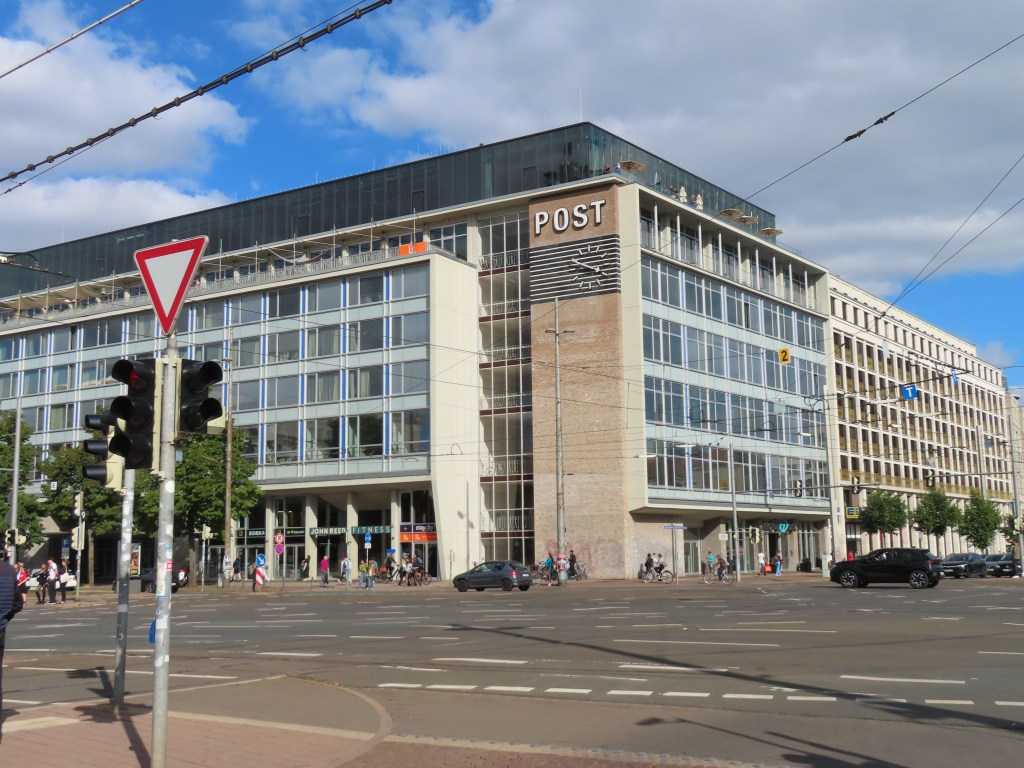
We were staying at a former post office!
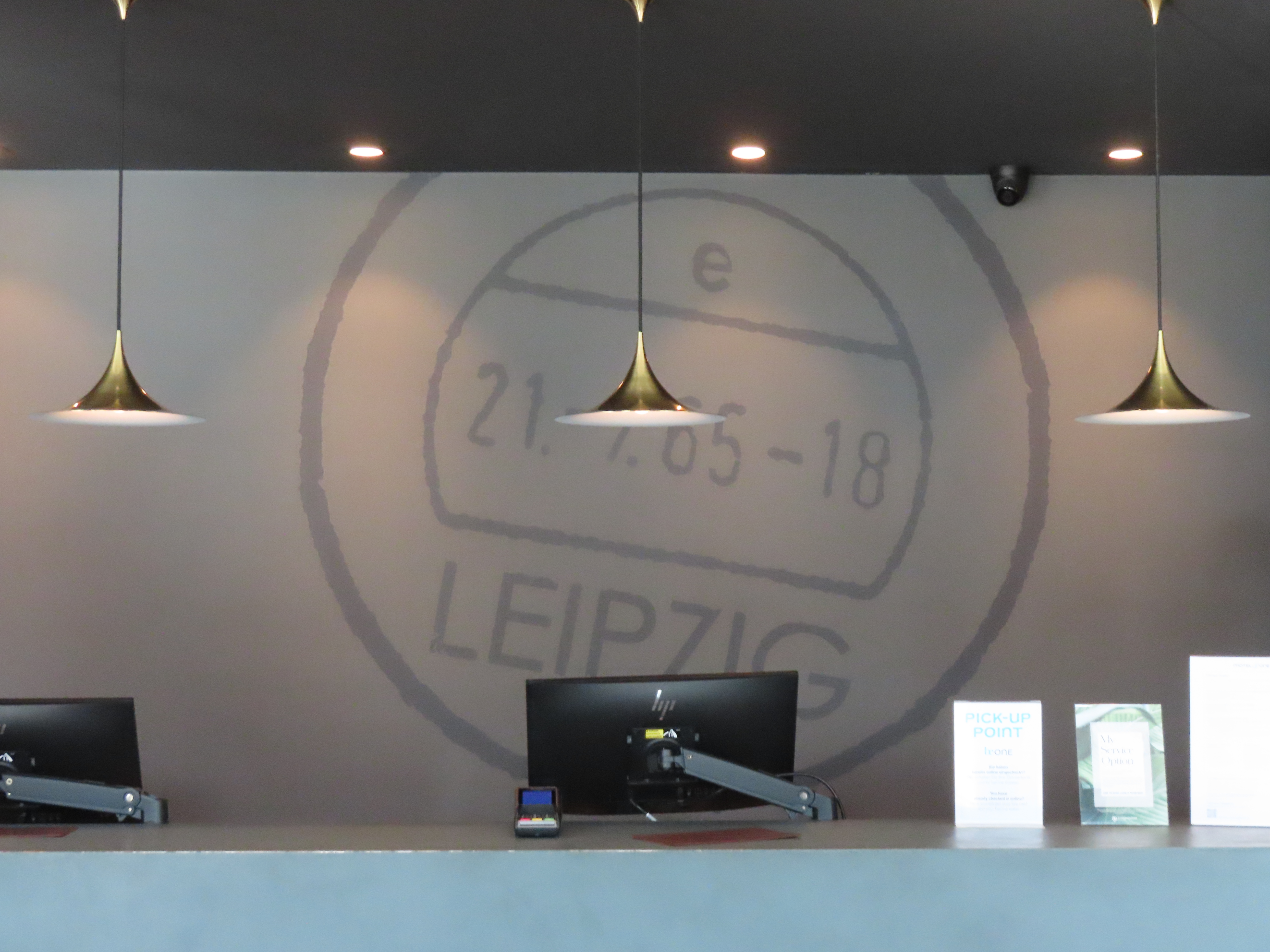
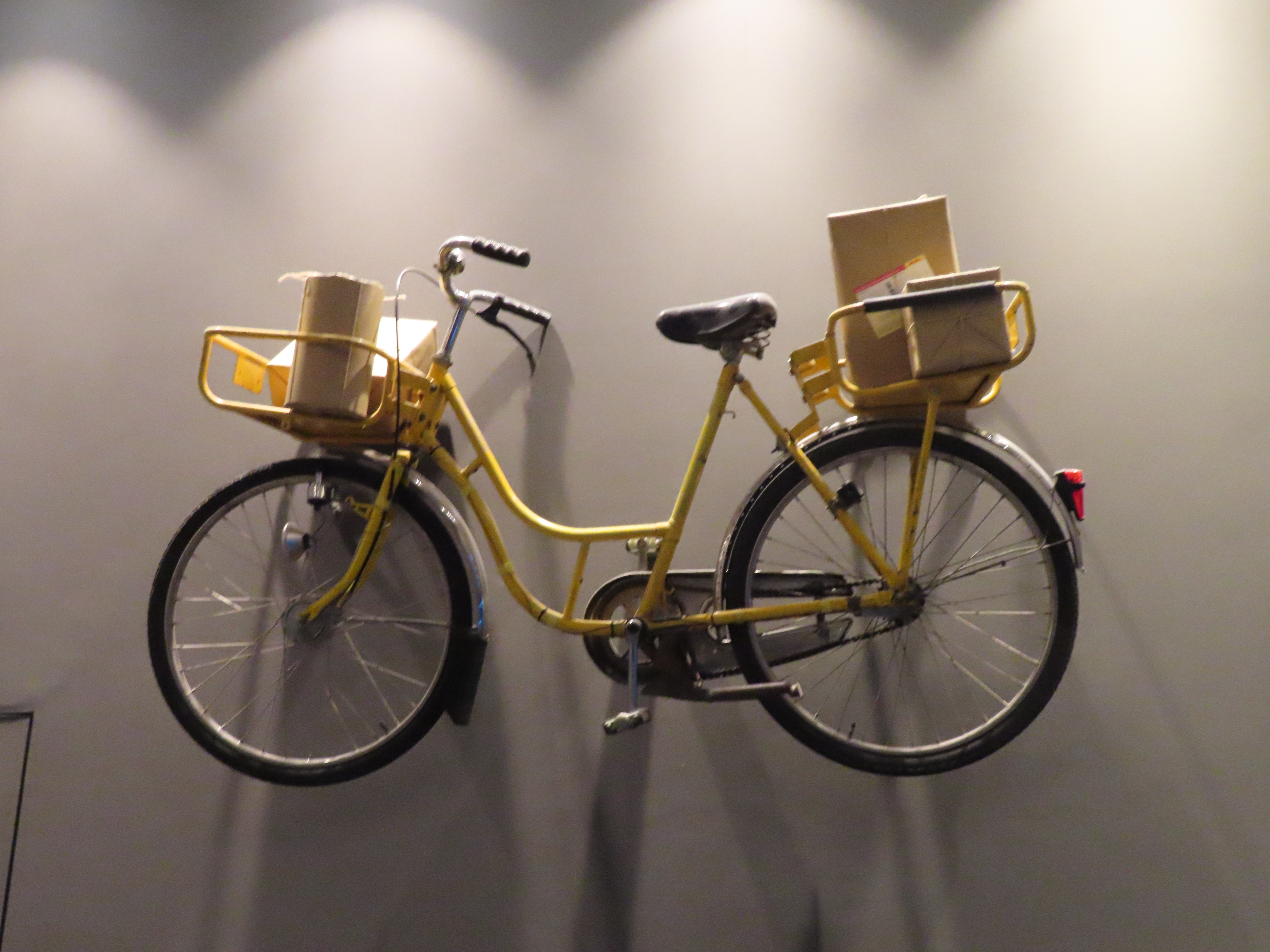
The wall behind the reception desk was decorated with a large postmark, and a postal bicycle was displayed in the lobby.
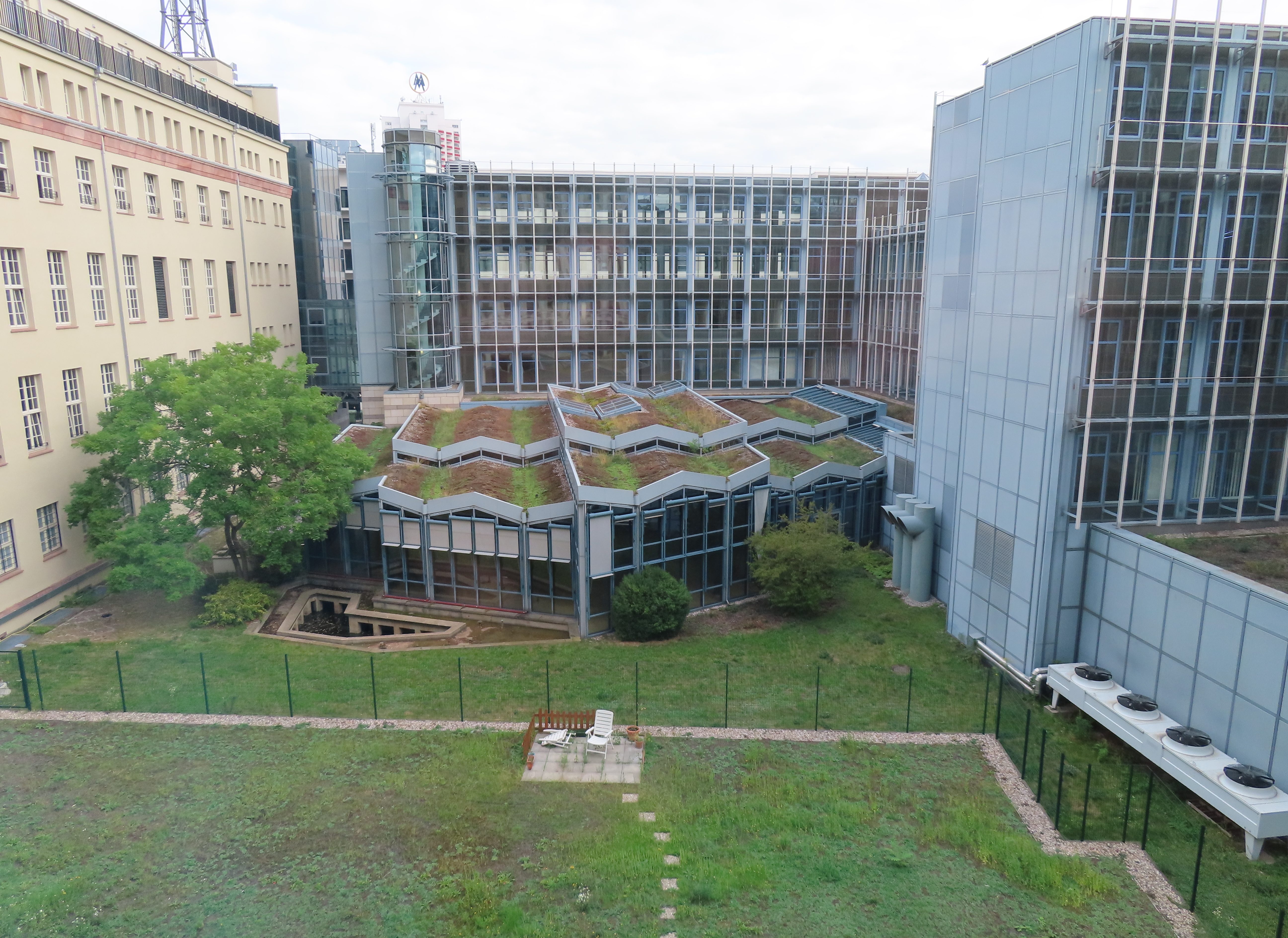
The street in front of the hotel was very busy, but my room faced the courtyard, so it was surprisingly quiet.
Judging from the large number of rooms, I imagine it must have been a very large post office. There was even a supermarket on the ground floor of the same building.
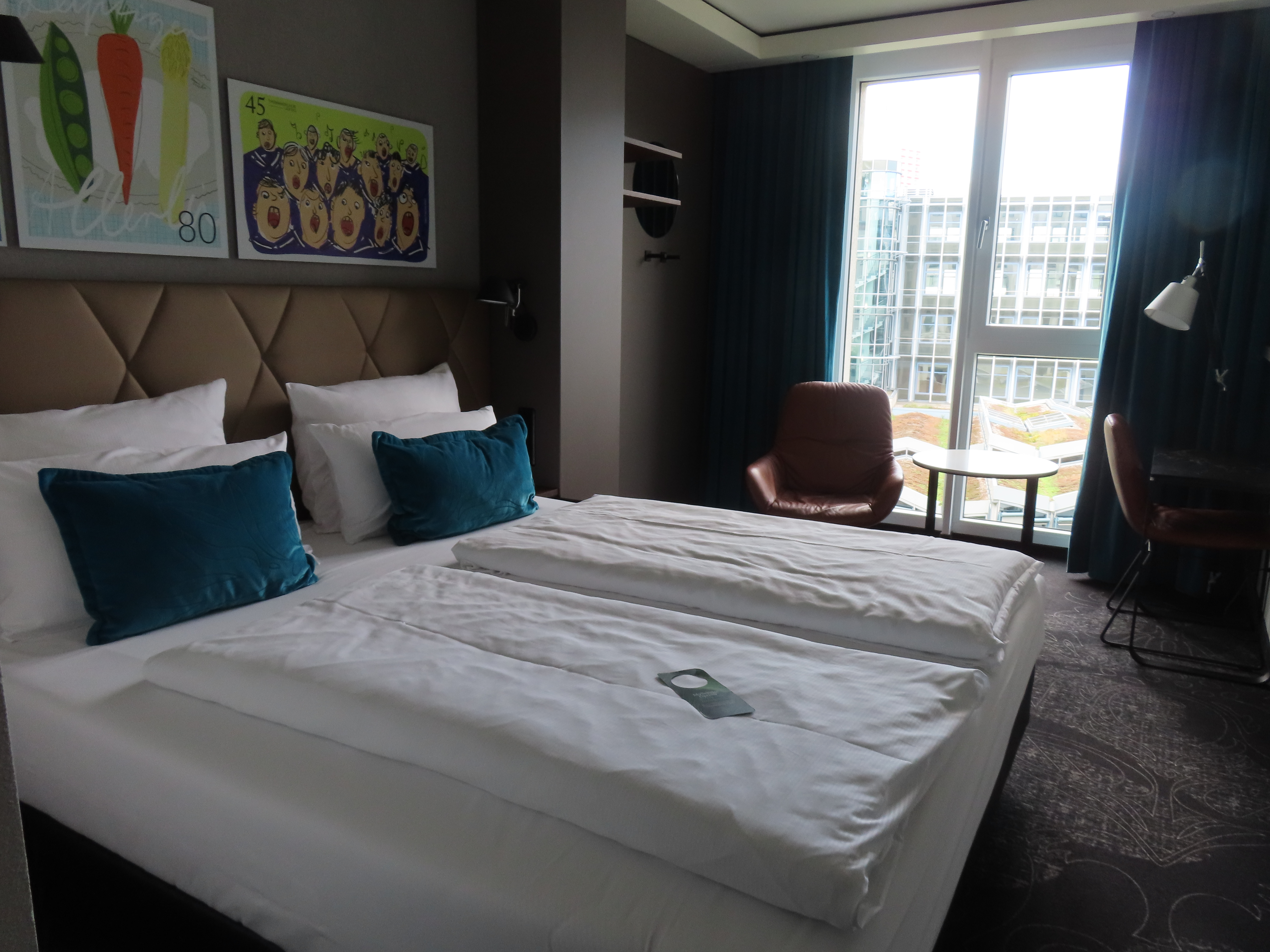
Our room was small and cozy, with a little table and two comfortable leather chairs. There were blue curtains and cushions, and a few stamp designs hung on the wall.
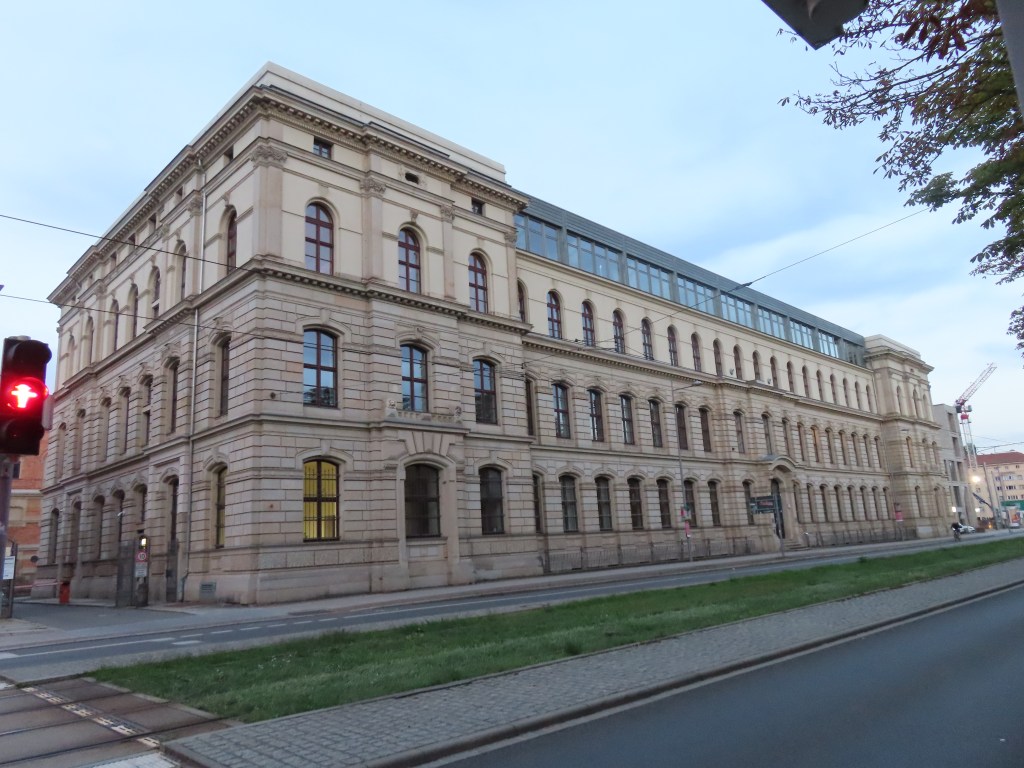
I took a walk to a nearby former post office that once handled parcels and newspapers.
It was only 6 a.m., but cars were already passing by. A man on a bicycle who was waiting at a traffic light smiled and asked, “Are you taking a picture?”
“Post,” I said. He nodded.
The large parcel and newspaper building opened in 1880. At the time, Leipzig was a major center of publishing and printing, making it an important hub for sending newspapers and magazines throughout Germany.
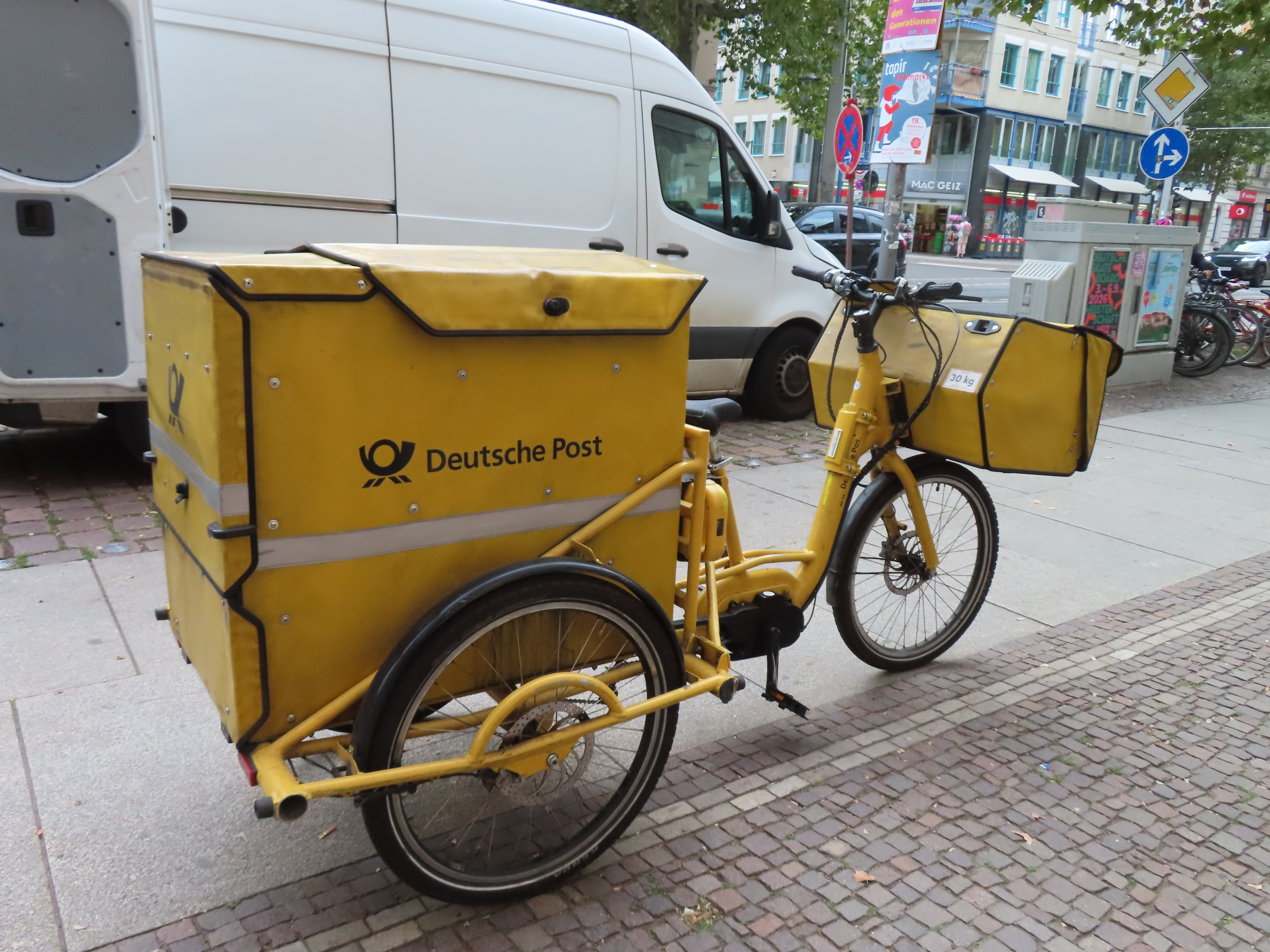
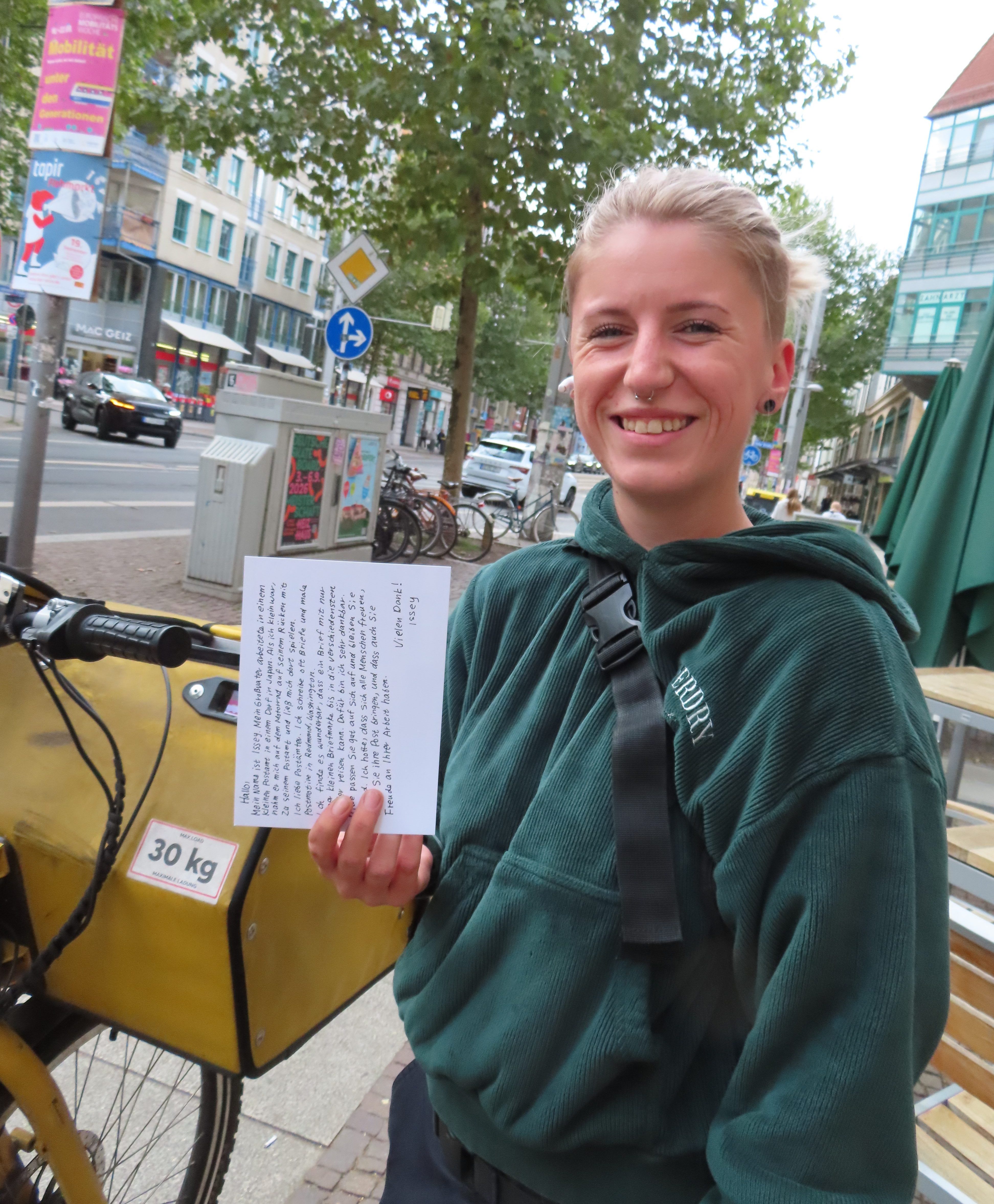
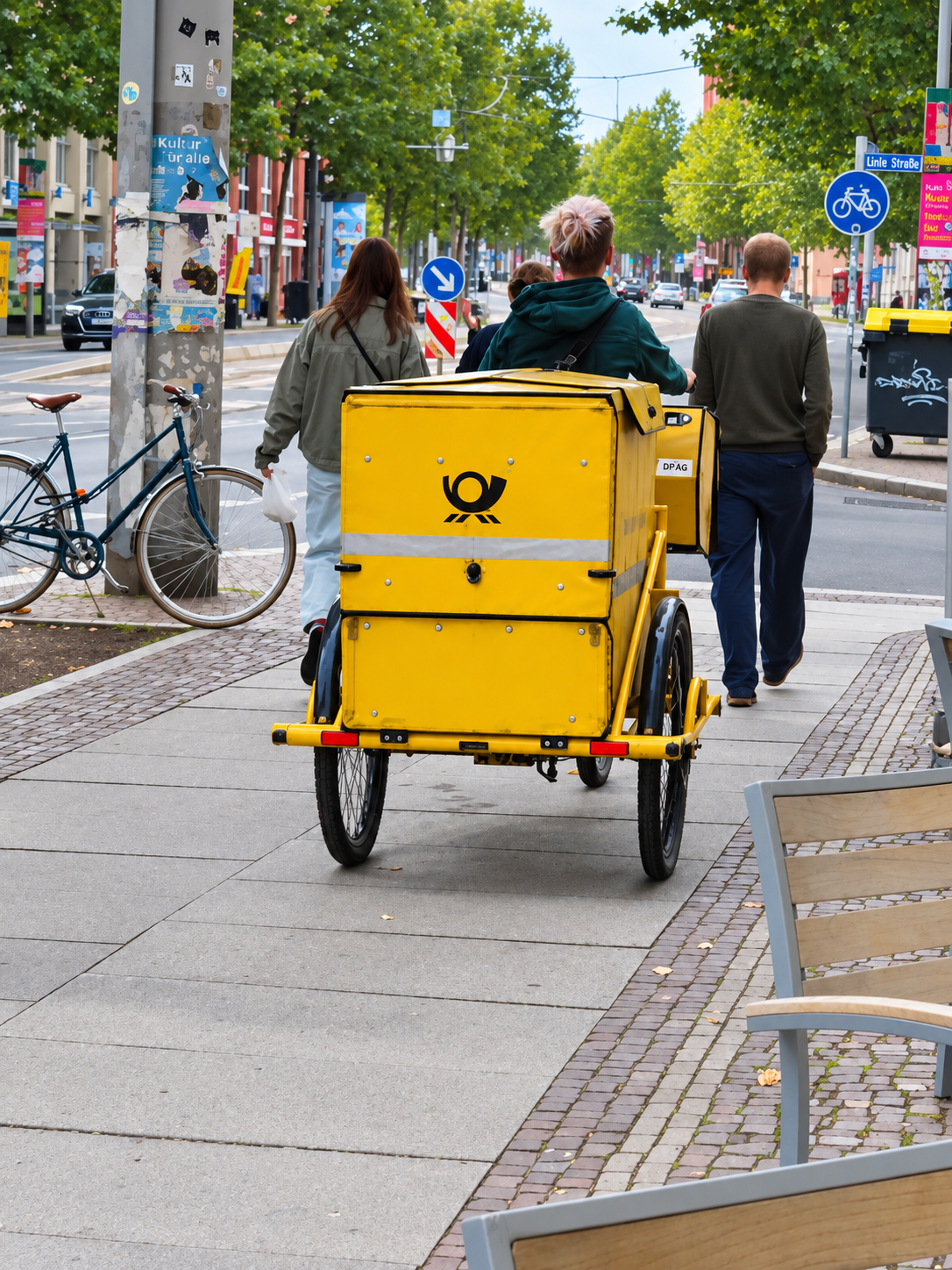
In downtown Leipzig, I saw a postal bicycle in front of a stationery store. Soon, a female postal carrier appeared. Her name was Maria.
When I gave her a postcard, she smiled. She hopped onto her bicycle and rode away, looking confident and graceful.
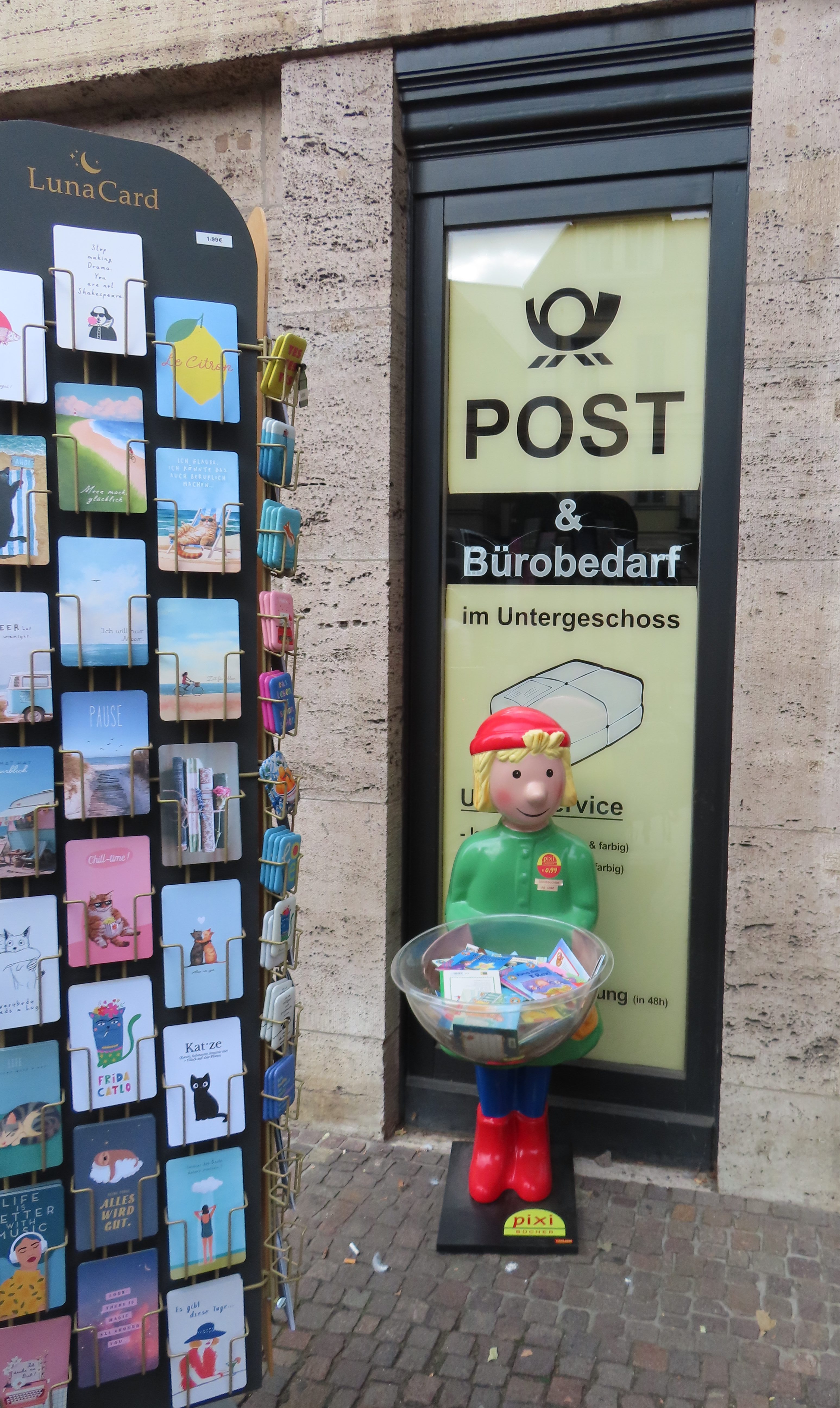
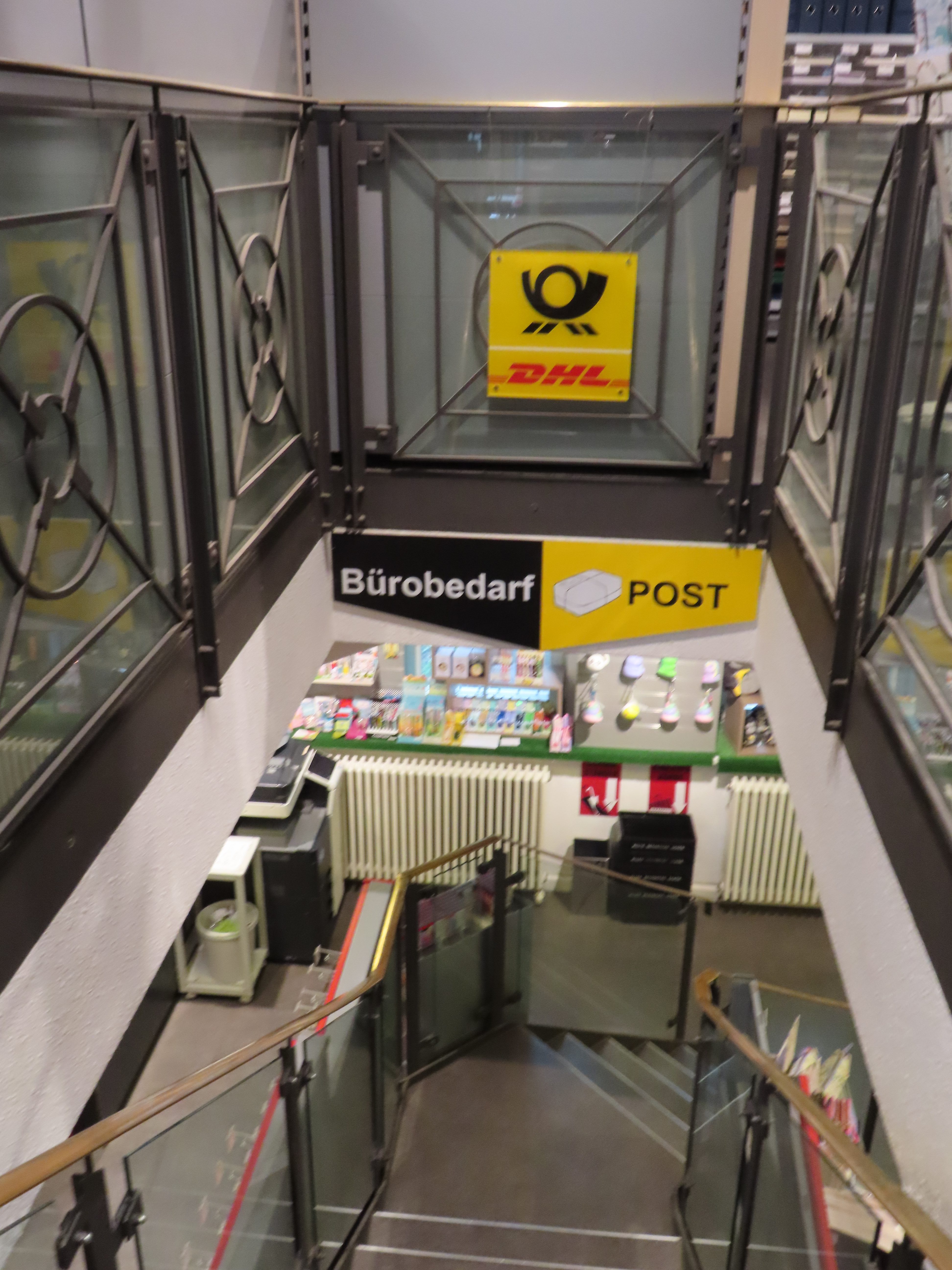
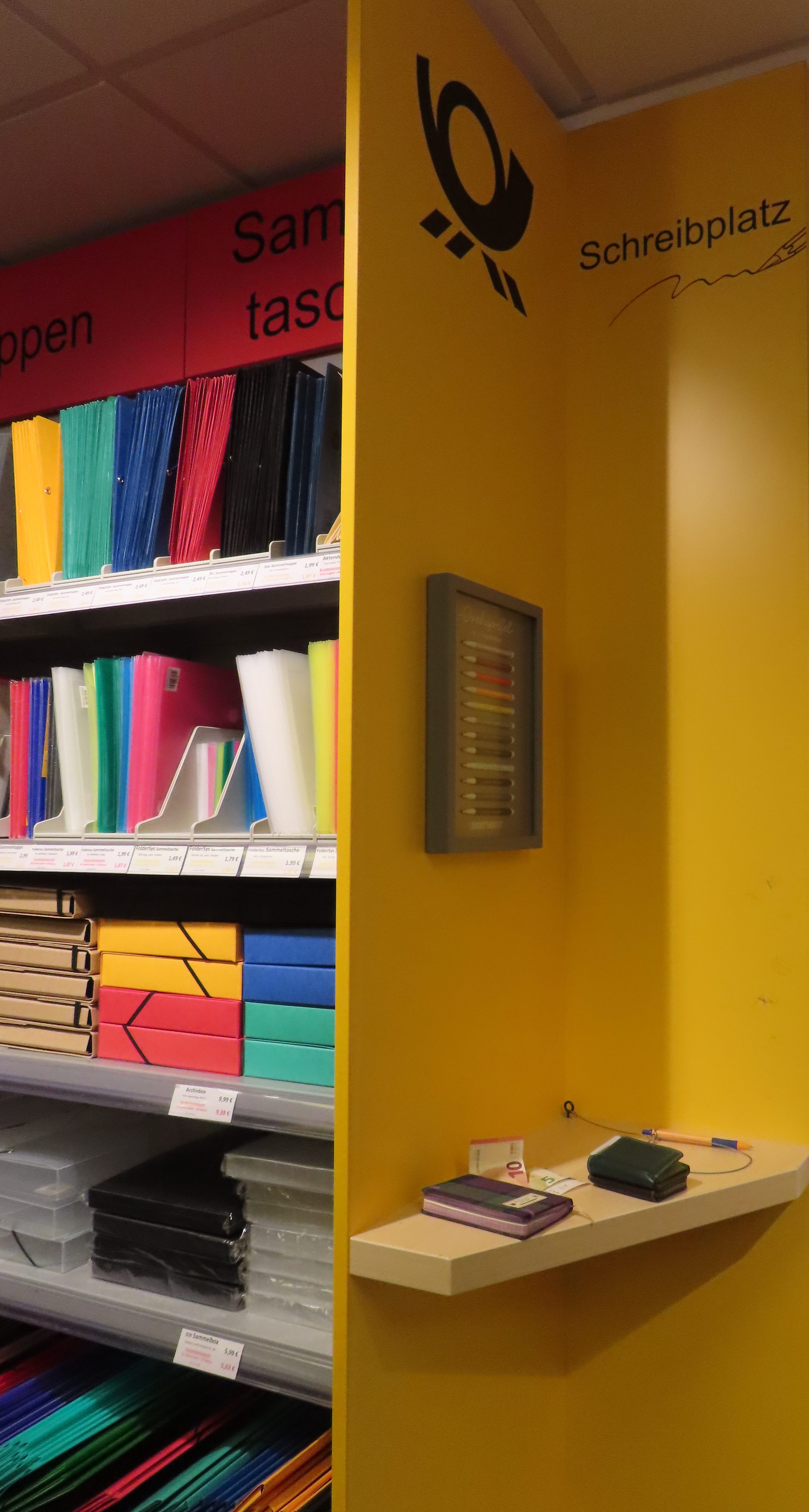
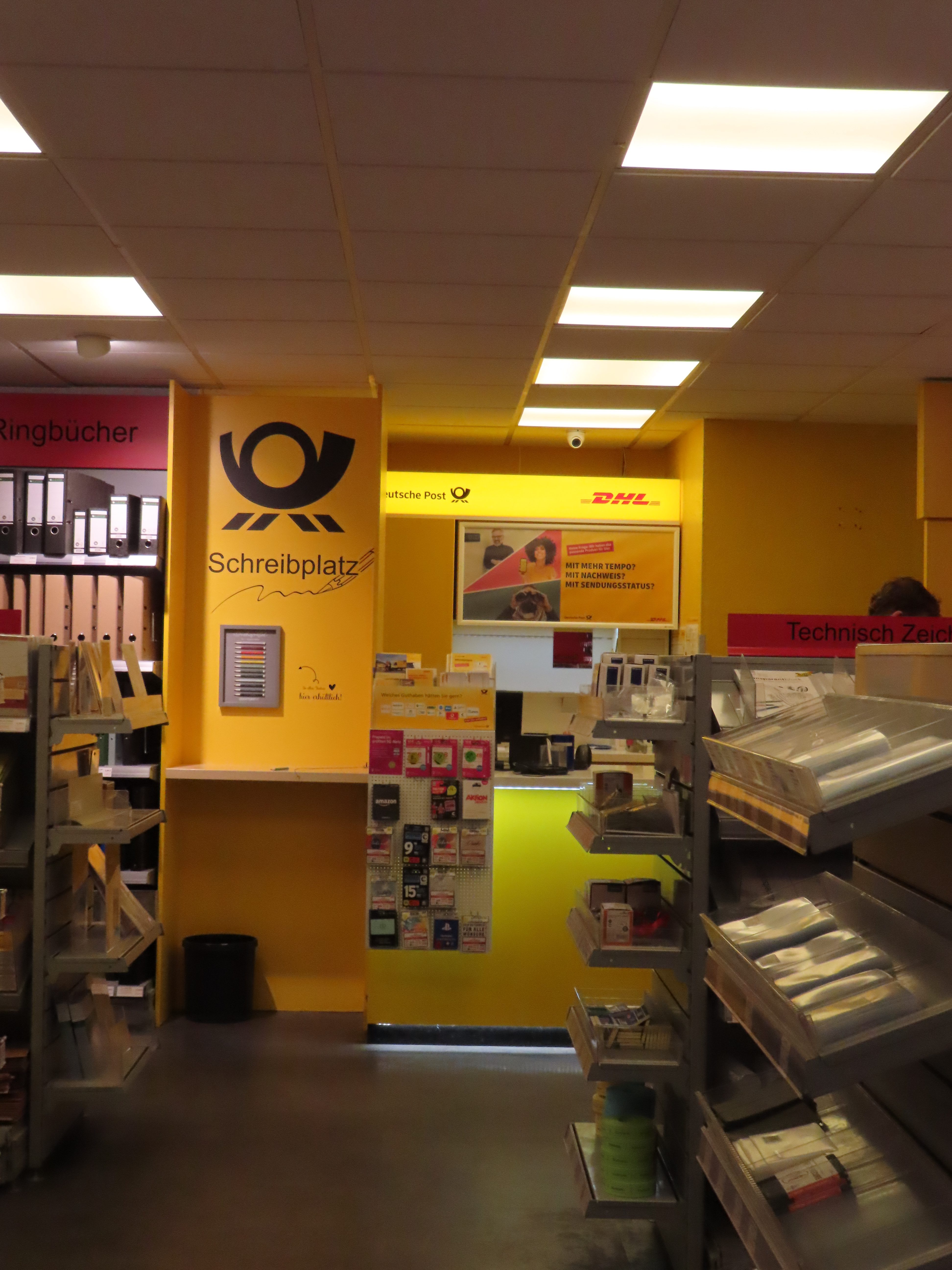
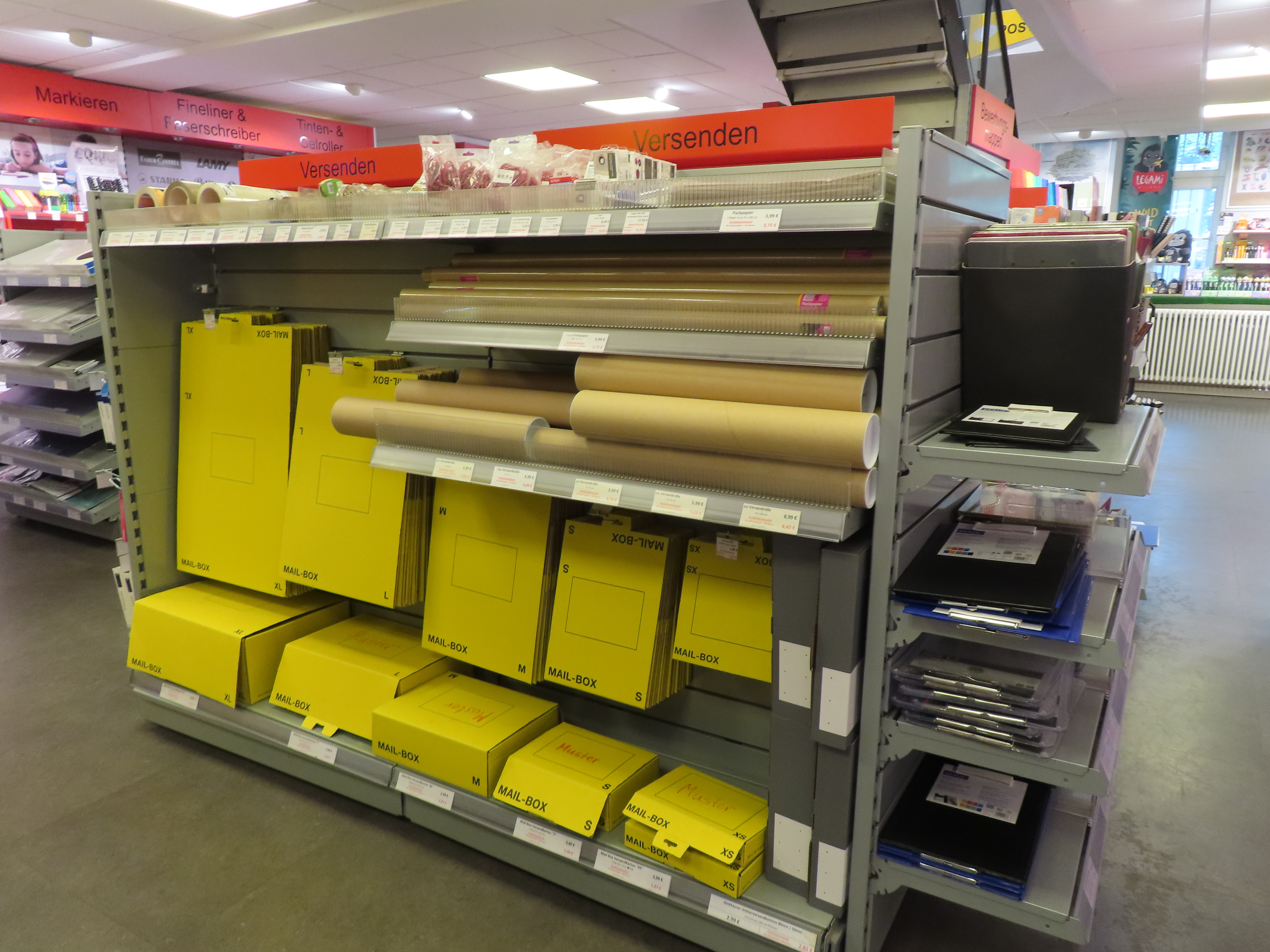
The stationery store had a post office in the basement.
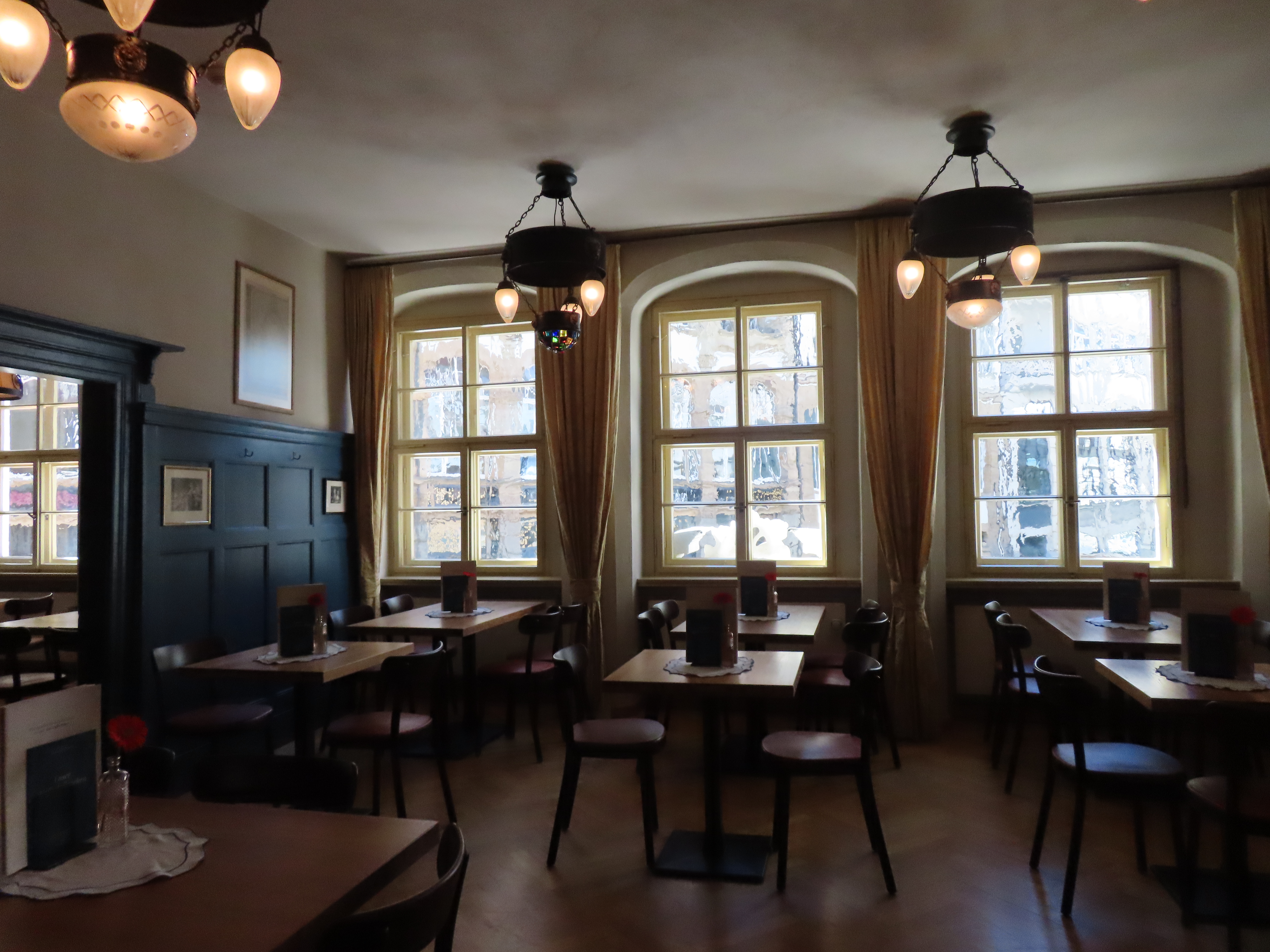
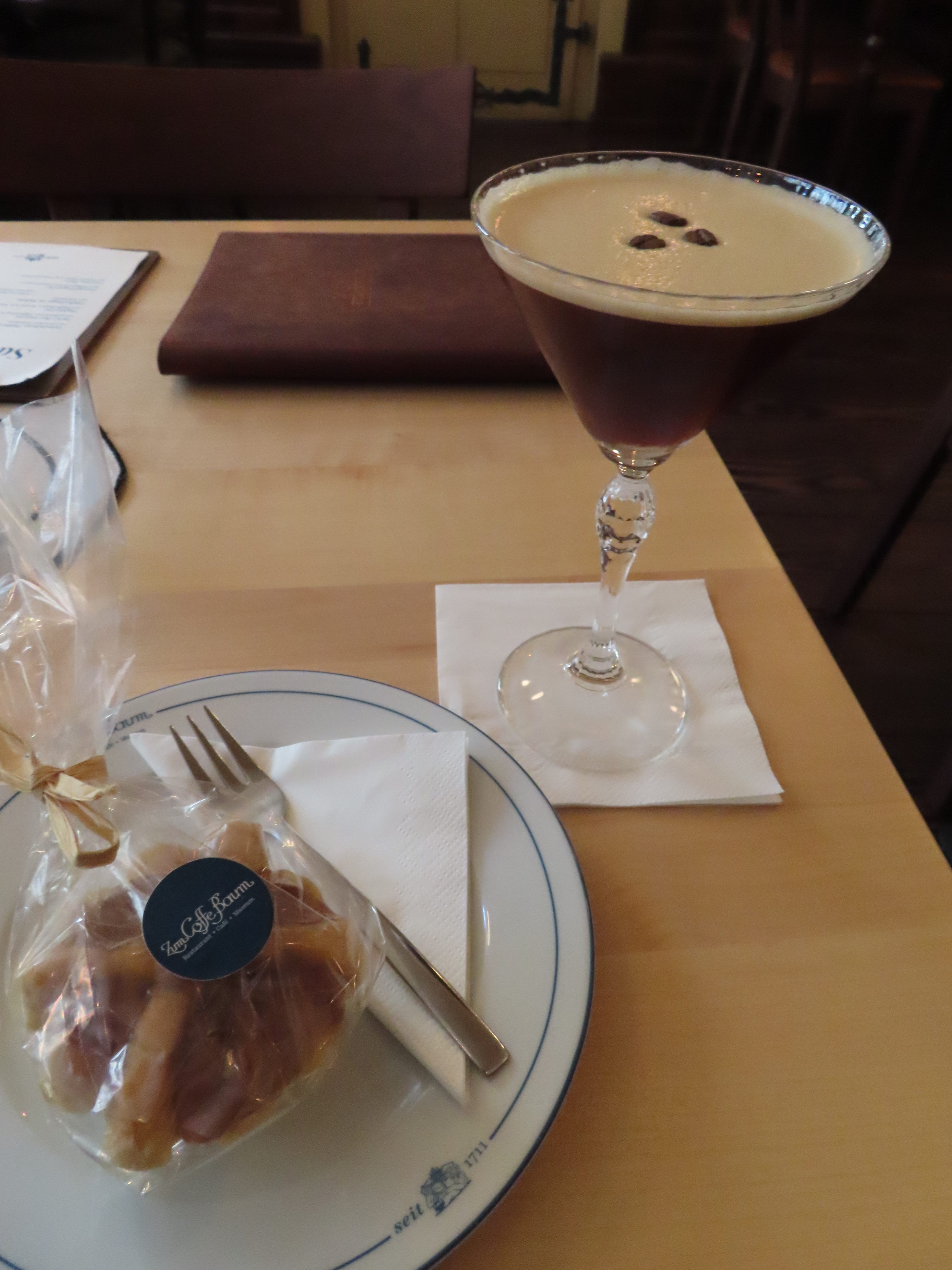
On my way back, I visited one of Germany’s oldest cafés, with a history of more than 300 years. I had an espresso martini. The coffee in Germany is delicious.
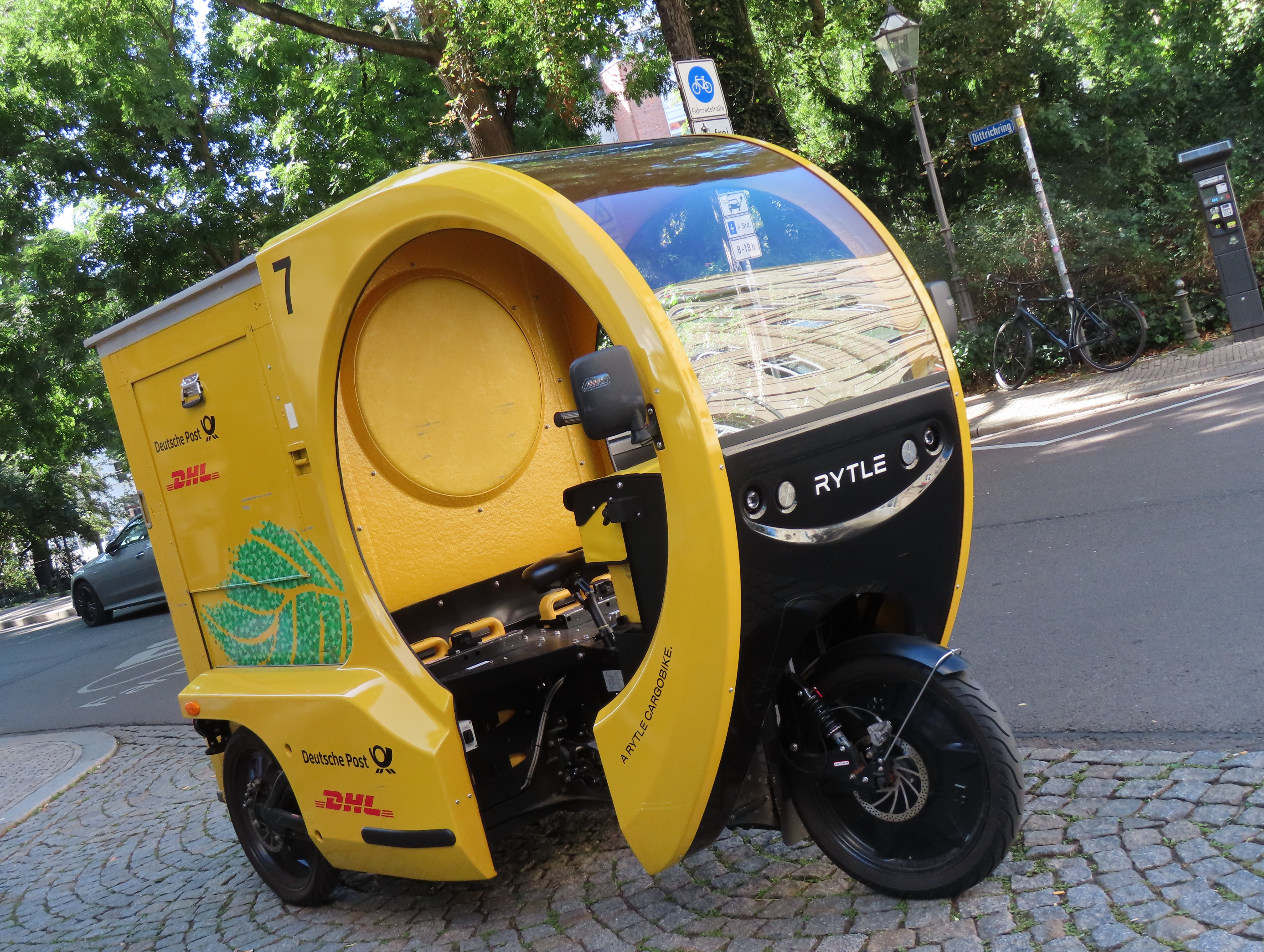
I spotted another three-wheeled postal bike. This one had a cover to protect the rider from the elements. I wondered where the postal carrier was.
I placed a postcard on the dashboard and was about to leave. But then I realized I didn’t know which way to go, so I turned around. There was the postal carrier, peering at the postcard from outside the vehicle!
“That’s from me!” I said, hurrying over.
His name was Cornelius. He said, “Danke schön,” and we shook hands.
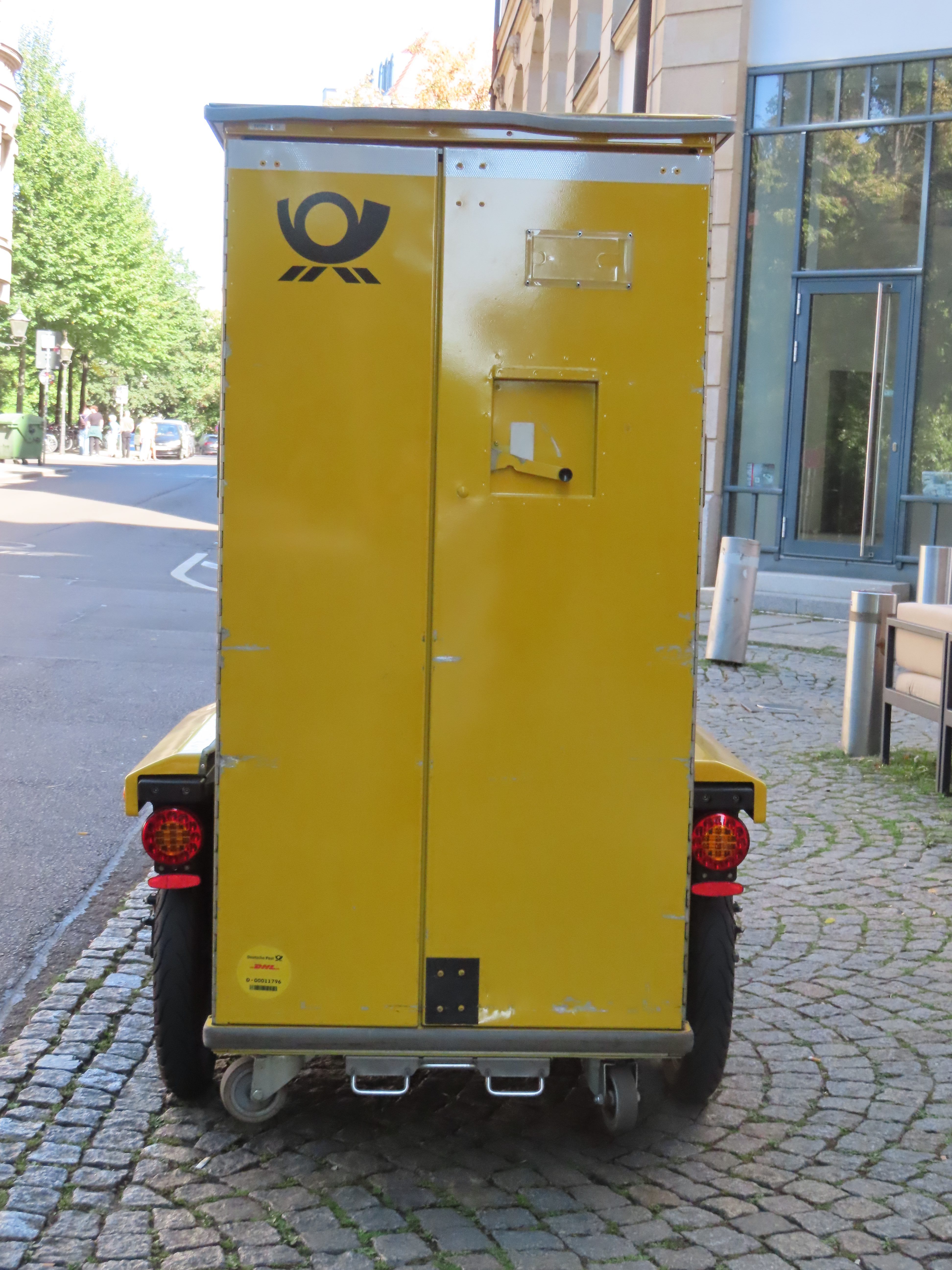
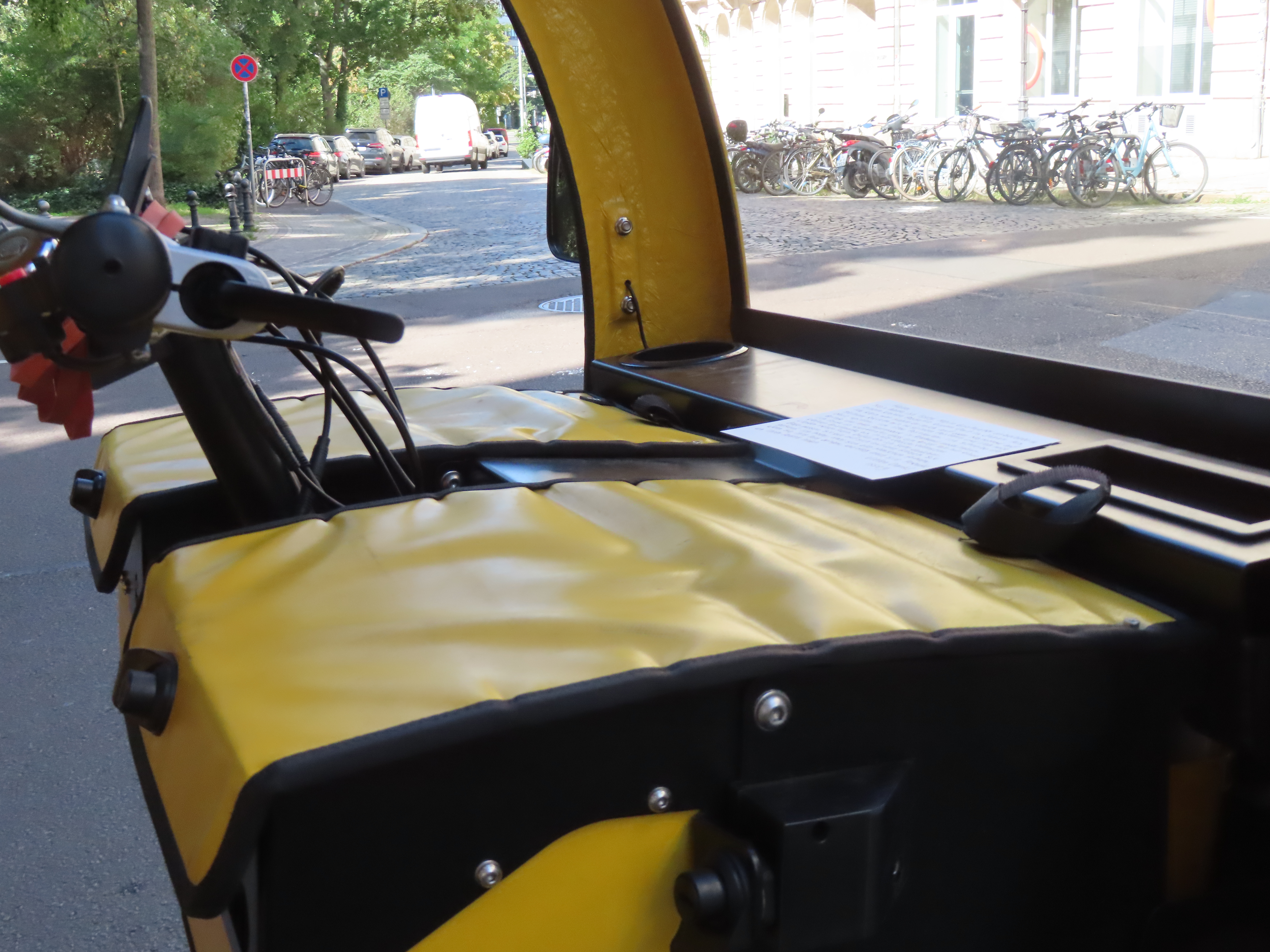
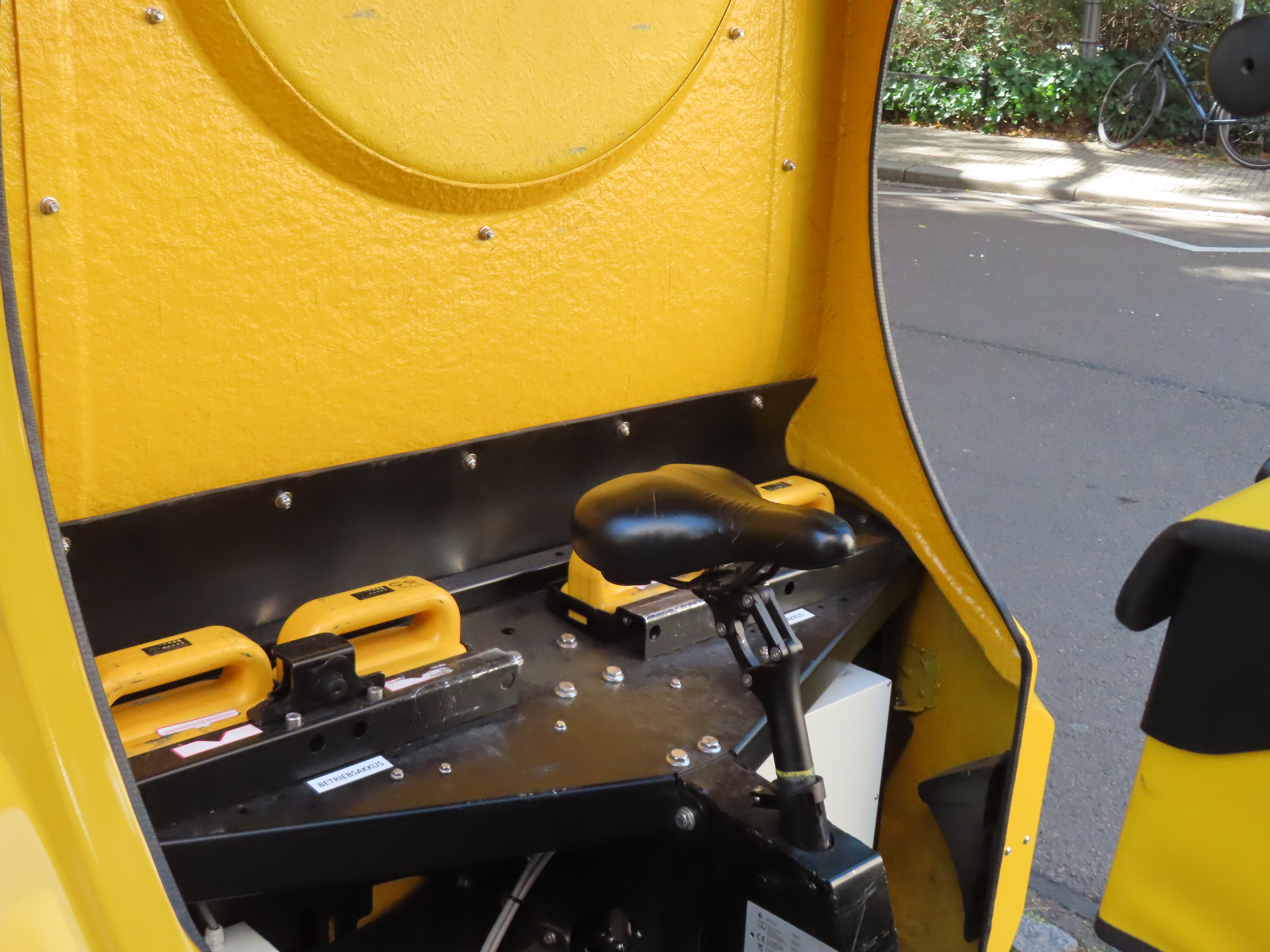
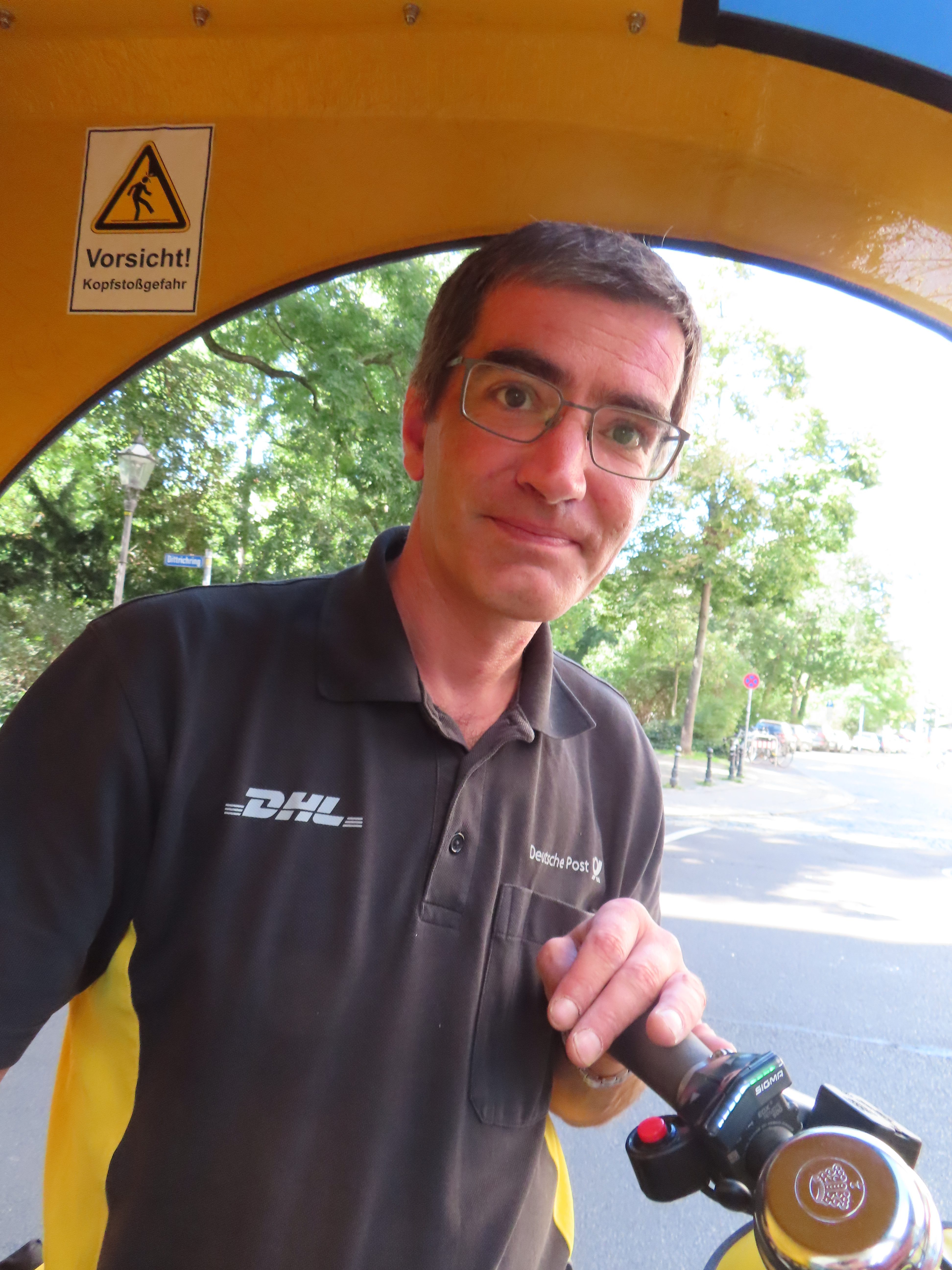
According to an article in the magazine I bought in Nuremberg, Deutsche Post uses about 15,300 electric trikes, 3,200 electric bicycles, and 1,700 postal bicycles.
Bicycles produce less CO₂, cost less to fuel and maintain, are easy to maneuver on narrow or busy streets, and do not require parking. They also make it possible for people without a driver’s license to work as postal carriers.
Deutsche Post is now moving toward using bicycles to deliver not only letters but also packages, and is developing larger cargo bikes for this purpose.
The vehicle Cornelius was driving was one of these new types of cargo bikes.
The number of letters is decreasing, but packages are increasing. According to an expert in fleet management and vehicle technology, bicycles will play an even more important role in delivering both letters and packages in the future.
Near St. Thomas Church, where Bach served as music director, a man was playing the accordion. His music had a melancholy sound. I gave him €2, and he smiled and said, “Danke schön!”
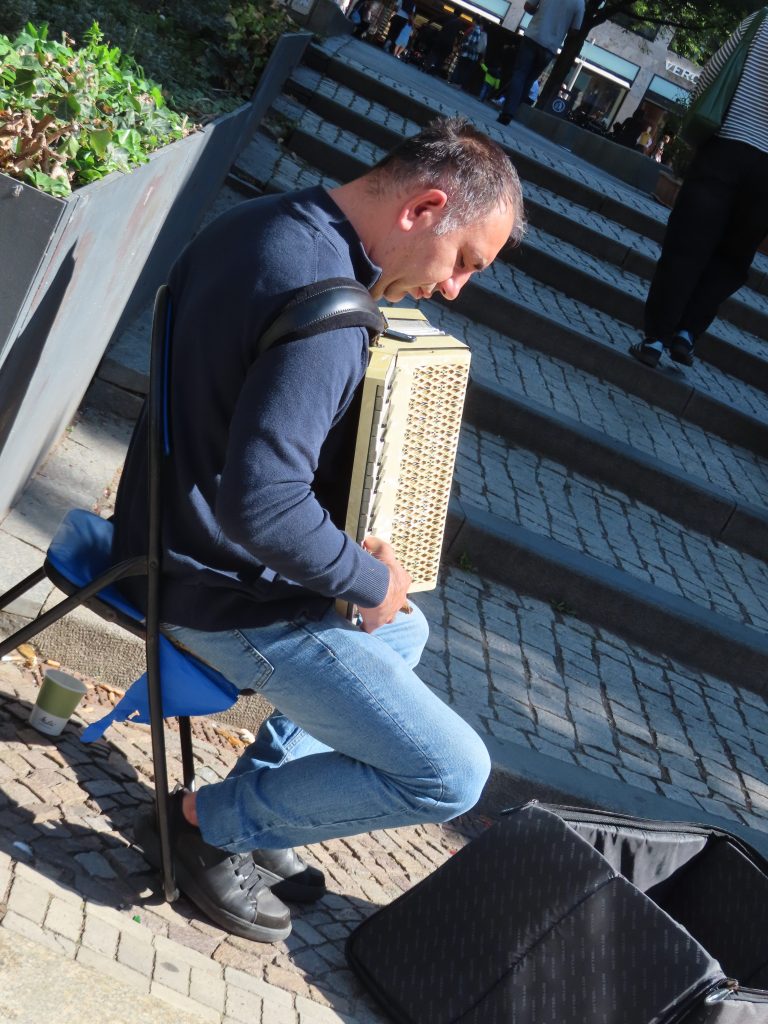
I got lost and ended up back in front of St. Thomas Church. He was still playing. It was getting a little hot, so I sat down on a bench and listened to him. I gave him €5 this time. He smiled and said, “Danke schön!”
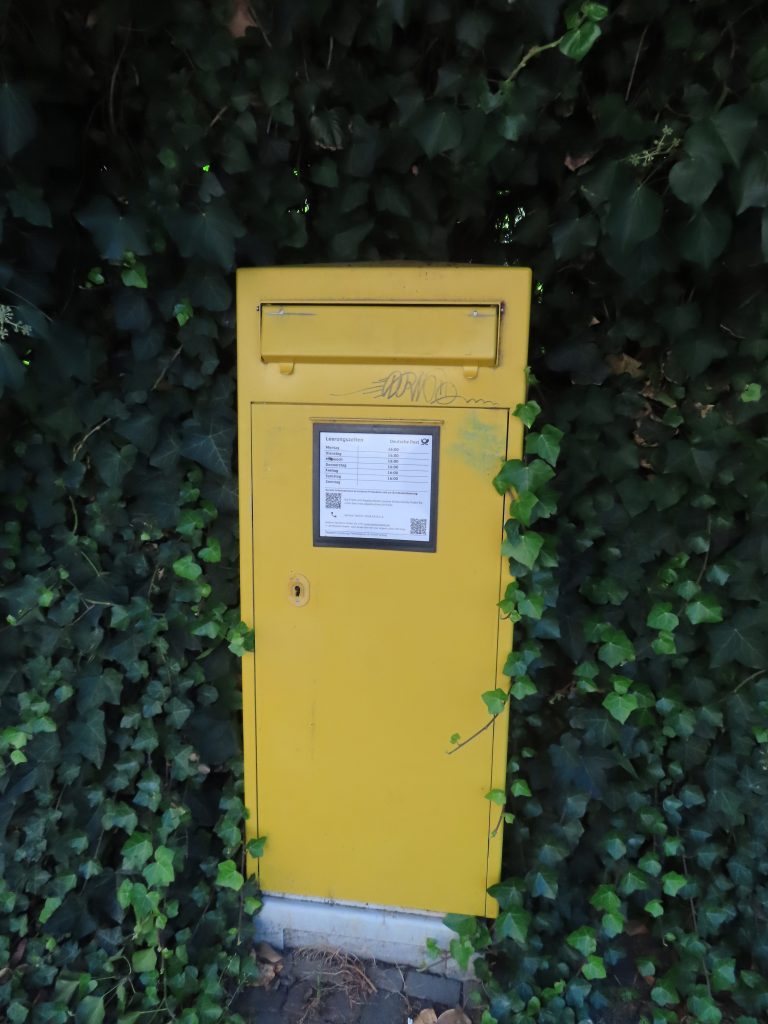
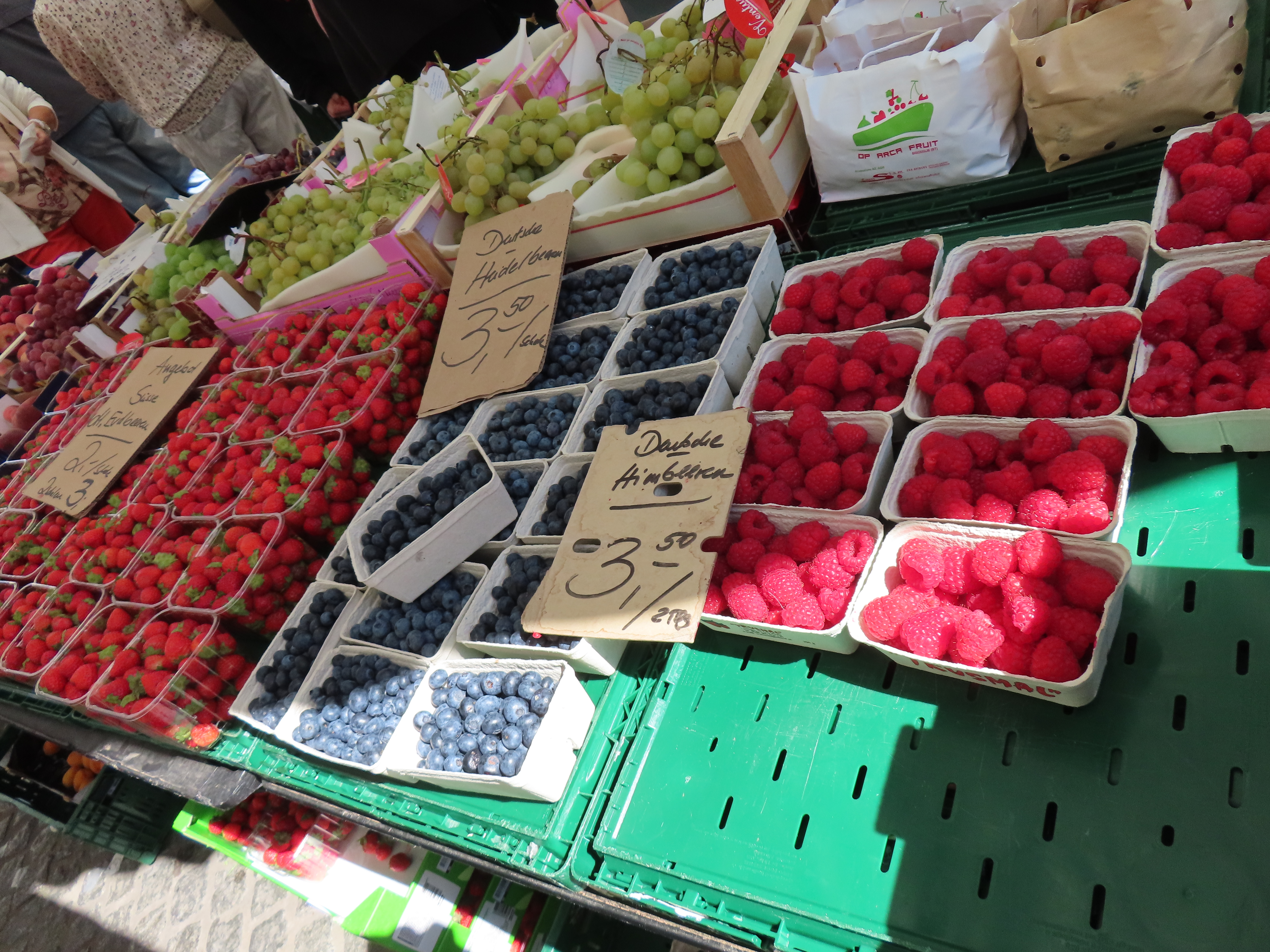
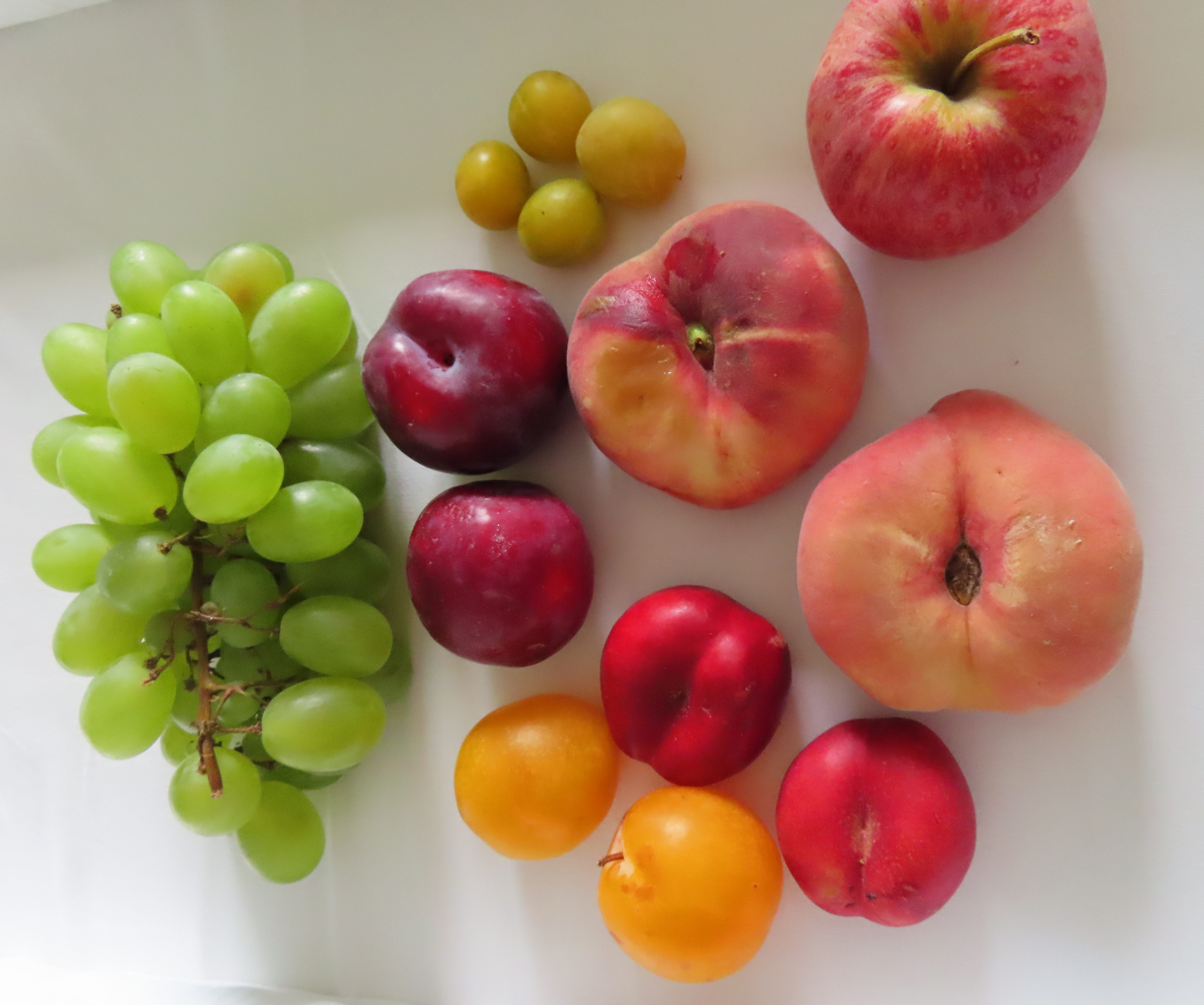
There was an outdoor market. I put plums, peaches, nectarines, and grapes into a bag.
The vendor said they only accepted cash. I only had €10. The vendor weighed the fruit one piece at a time, and the total came to just over €9.
“Keep the change,” I said. The vendor gave me an apple!
The summer fruit was ripe. The apple was crisp. I was tired from walking all day without even stopping for lunch, so I really appreciated the fruit.
I wanted to send some gifts from Leipzig to one of my sisters in Japan, so I filled out a customs declaration form and went to the post office inside a souvenir shop. Even though it was close to my hotel, I had trouble finding it because my GPS wasn’t working.
“I’d like to send this in the box with the bird design,” I said. “It’s too small, ” the clerk said. “We can’t use it.”
To make matters worse, they only accepted cash.
I left the gift with the clerk and went off to look for an ATM. I asked about five people for directions. When I finally got some cash, I returned to the shop and said, “I’m back!”
The clerk, who had seemed rather indifferent, began packing my gift into the cute bird-decorated box.
Perhaps while I was gone, he had looked at what was inside: bird postcard, bird foods, a bird rope toy, and some lark-shaped sweets.
“It’s a gift, isn’t it?” he said. “I’m sending it to my younger sister,” I replied, and he smiled. All that walking around was worth it.
Four days later, my sister’s bird ate the treats with great enthusiasm.
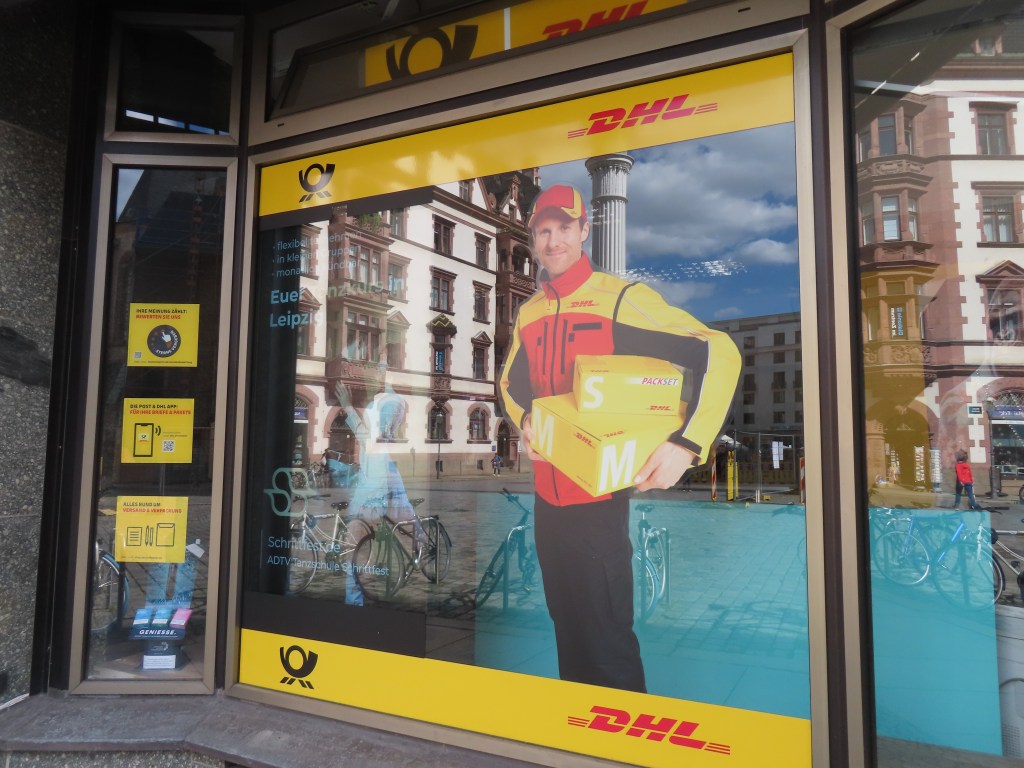
On the day we went our separate ways in Leipzig, I was happy when I happened to run into Tim in town. When I returned to our room exhausted from walking, there were French fries waiting for me. I had told him that I wanted some after seeing the passenger in front of me eating them on the train. Twenty-five years ago, when I first came to the United States, I couldn’t stand the smell of French fries and seldom eat them now. By the time I got back, they were cold, but I was glad at his thoughtfulness.
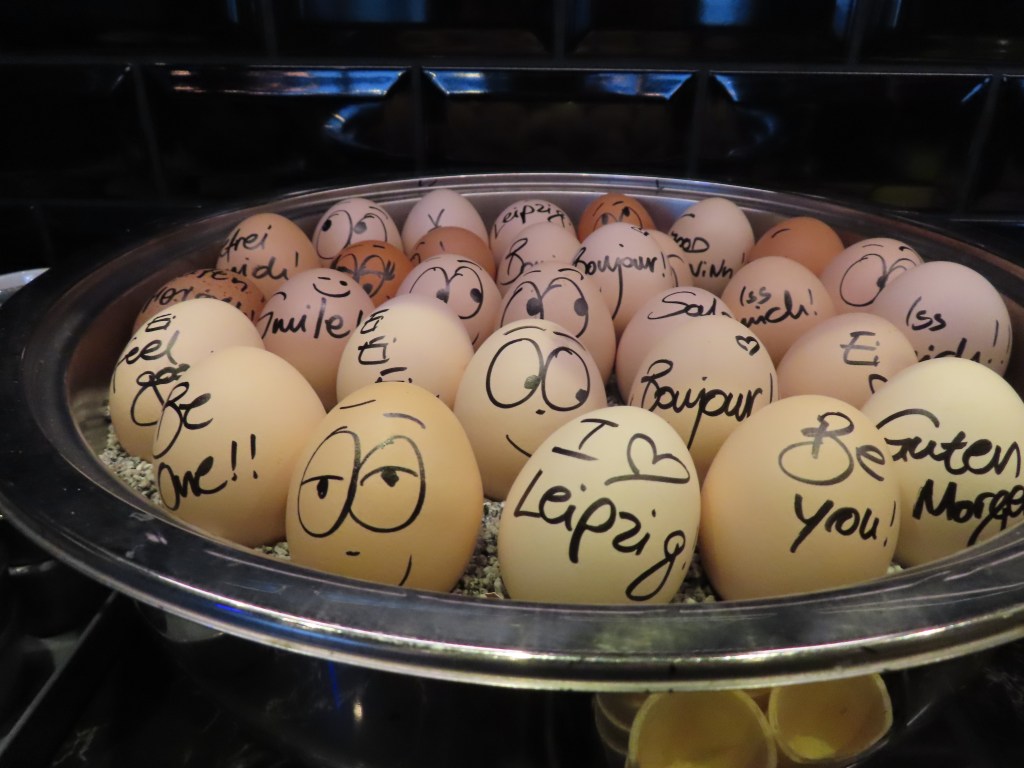
At our hotel, I had breakfast in the lounge on the seventh floor. The hotel offers a breakfast buffet with a focus on organic products. Jam and other spreads were served in small wafer cups that you could scoop from, which helped reduce waste.
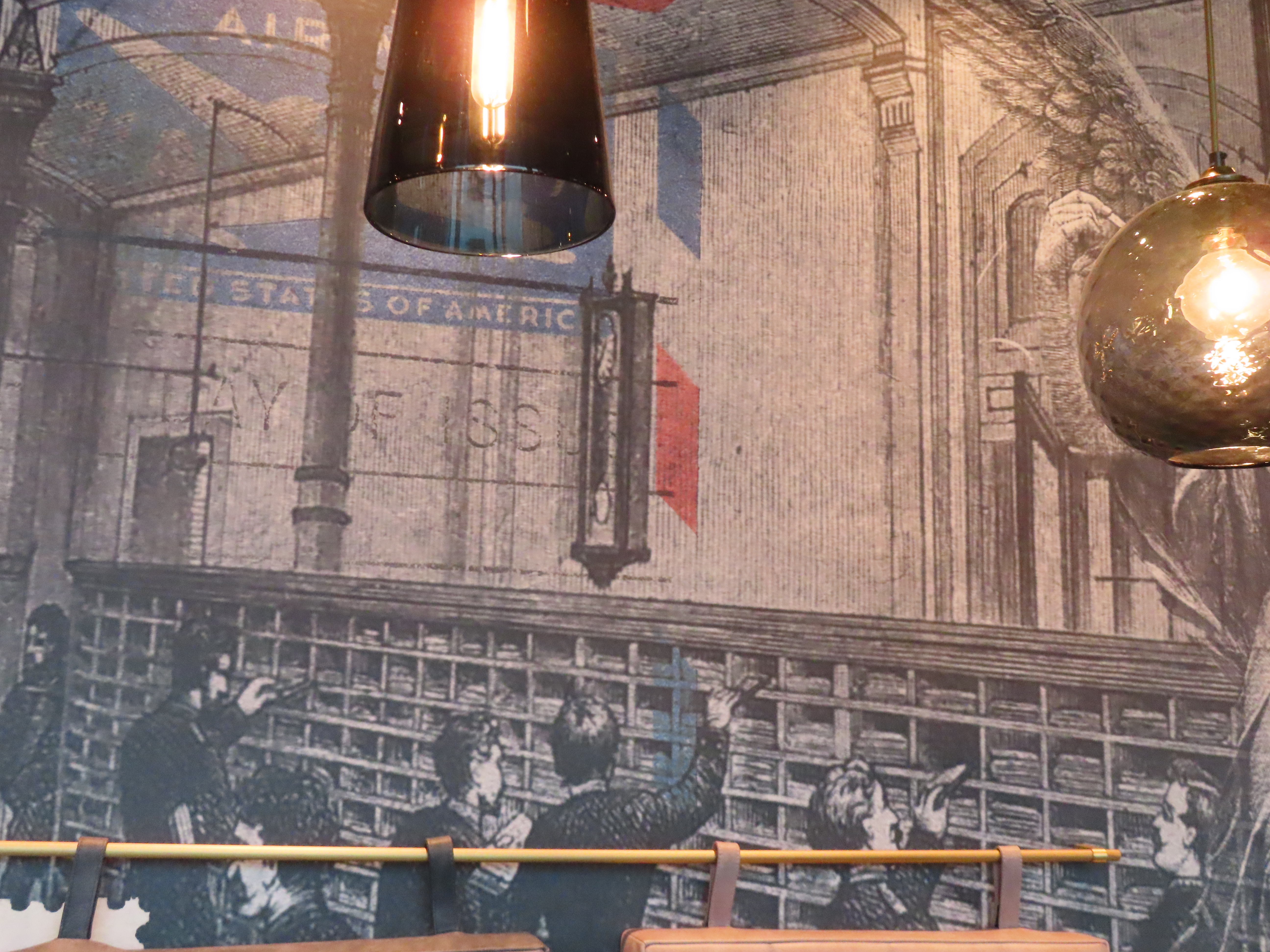
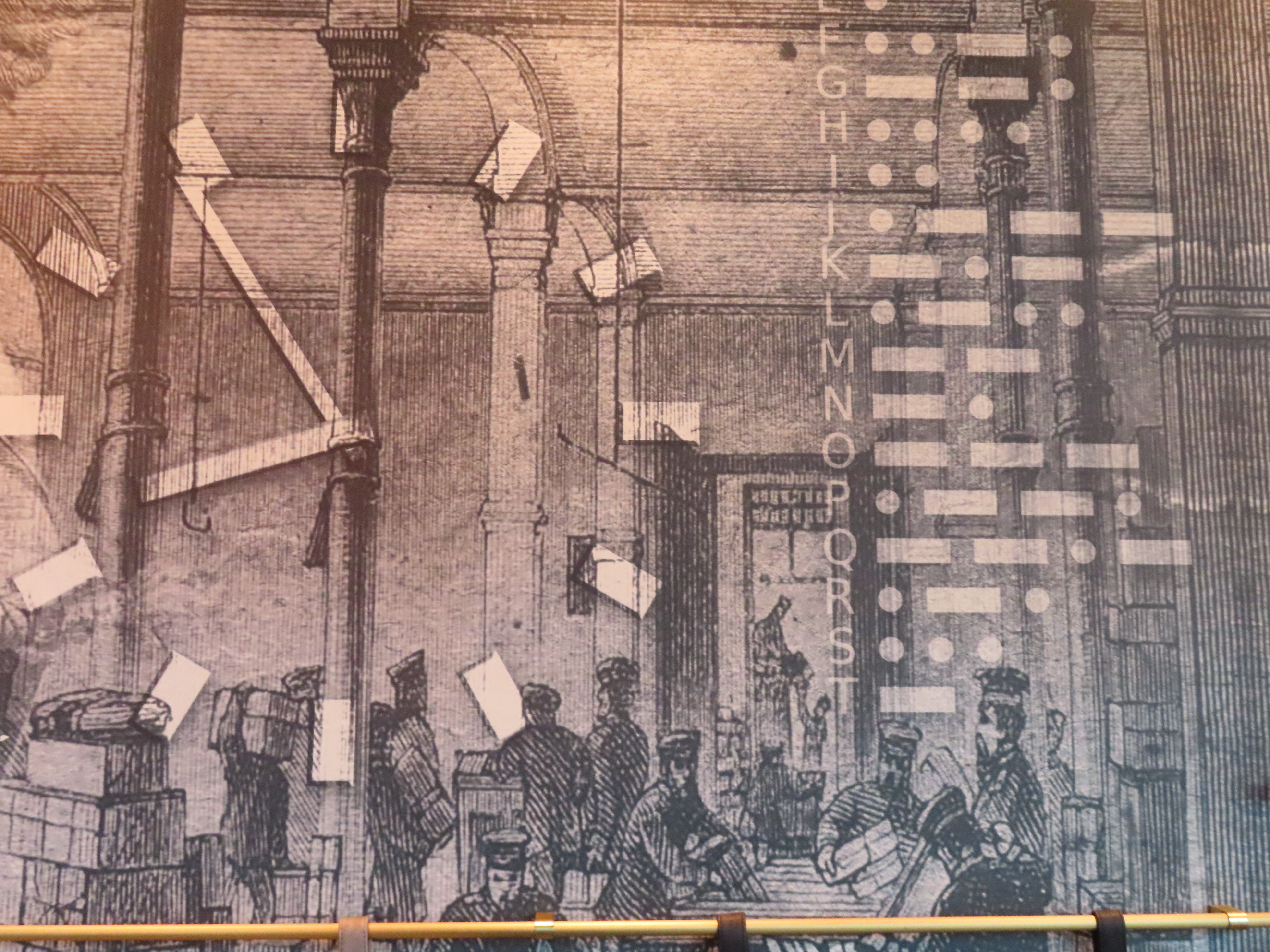
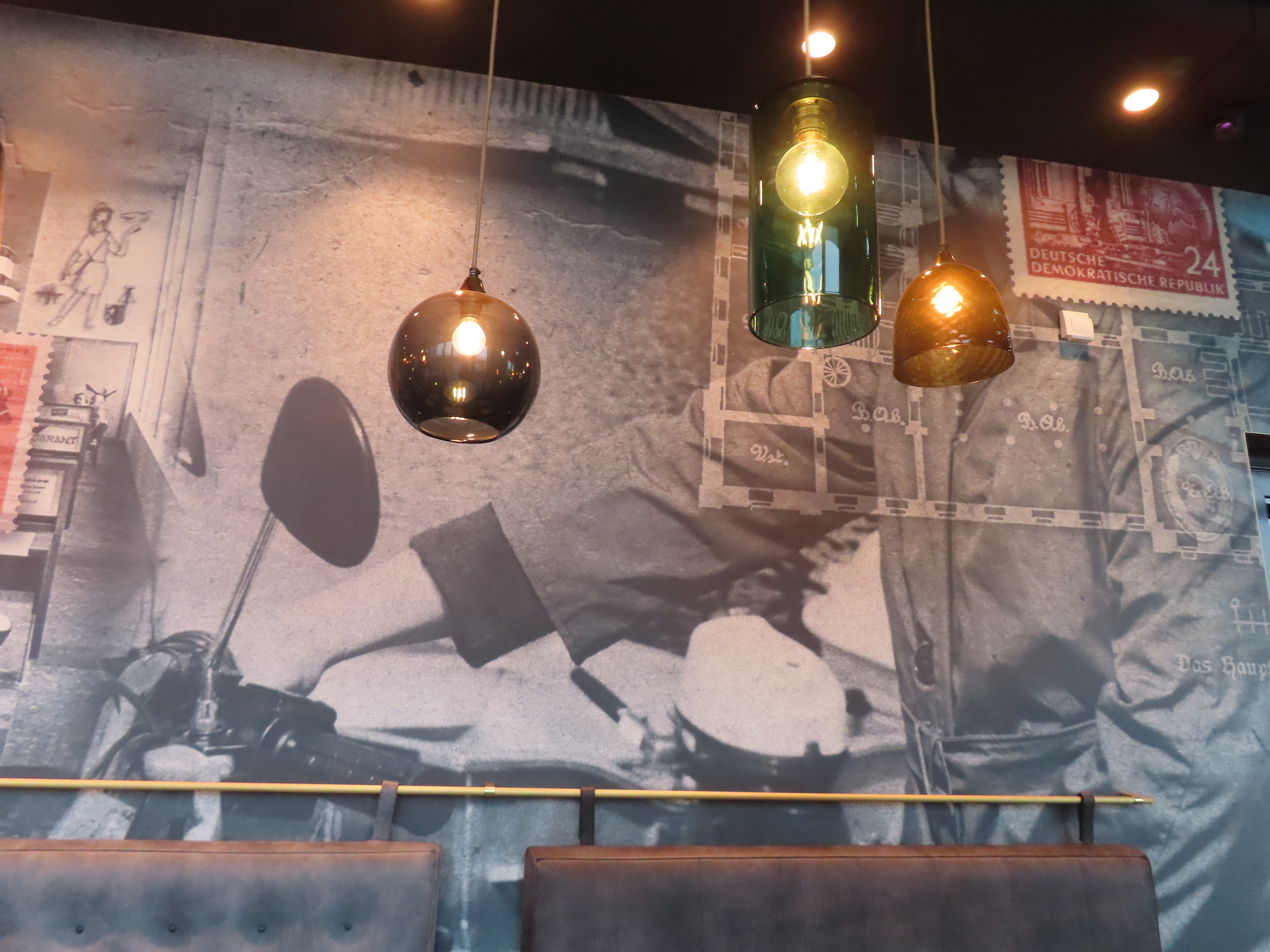
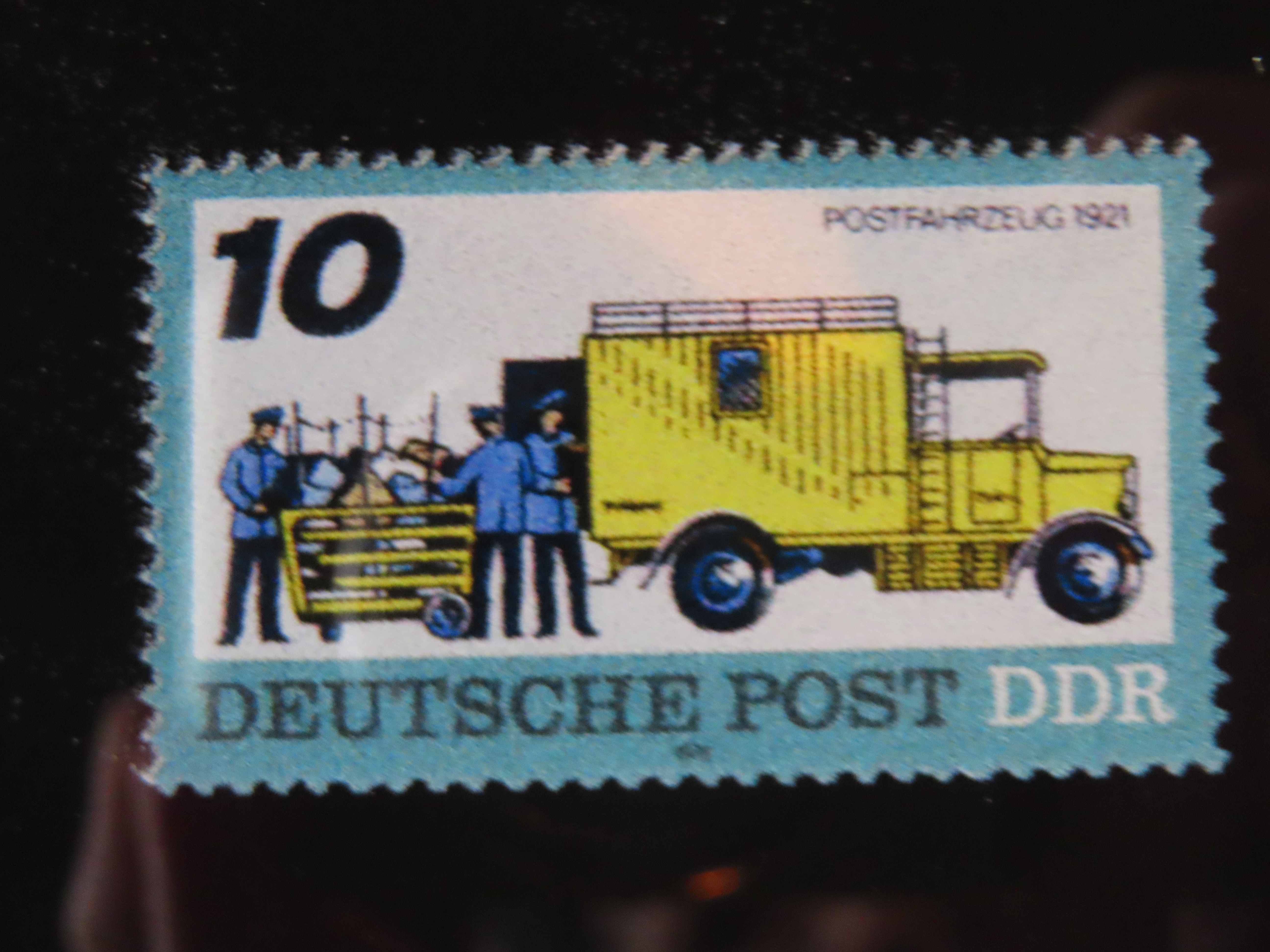
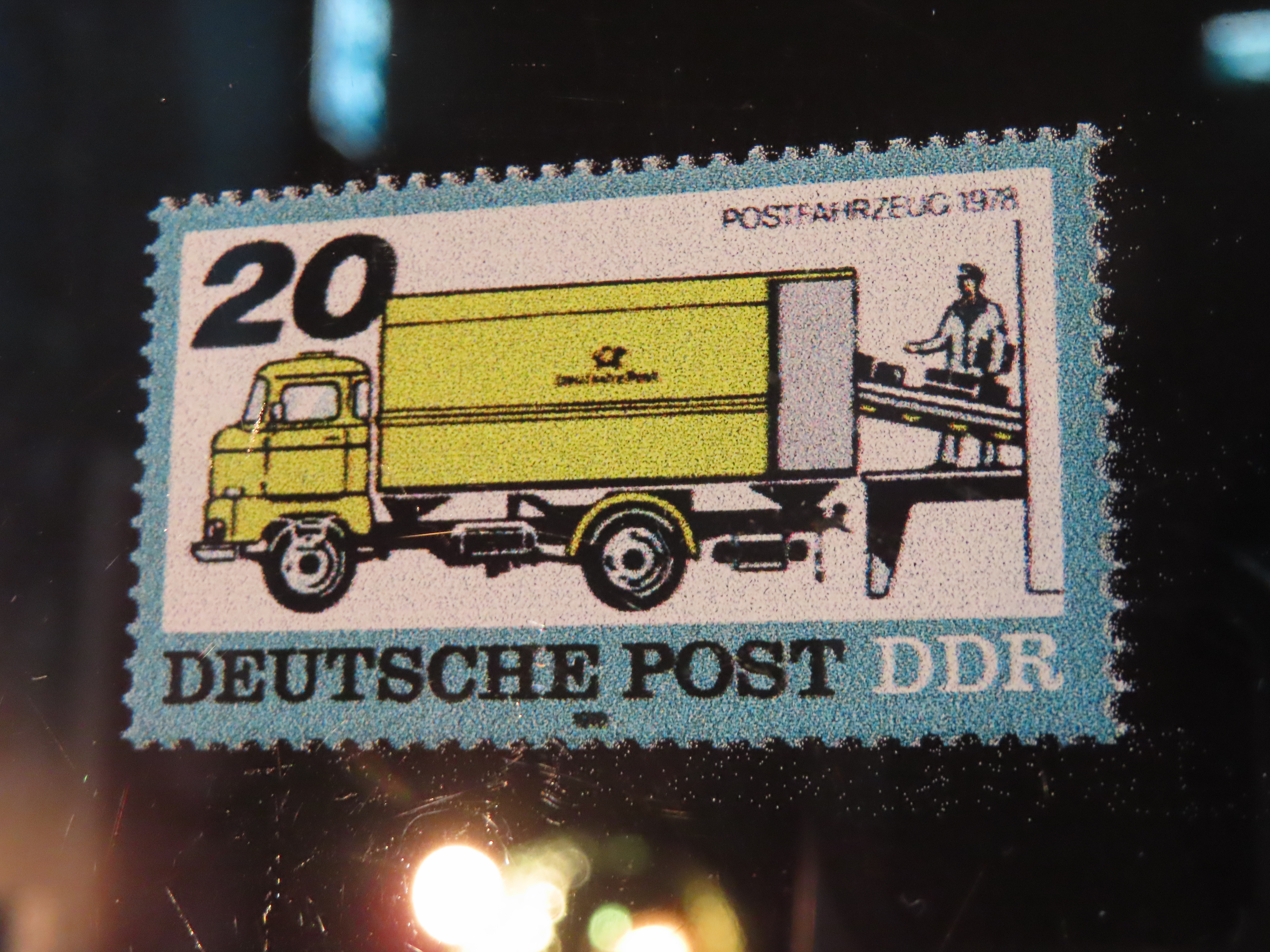
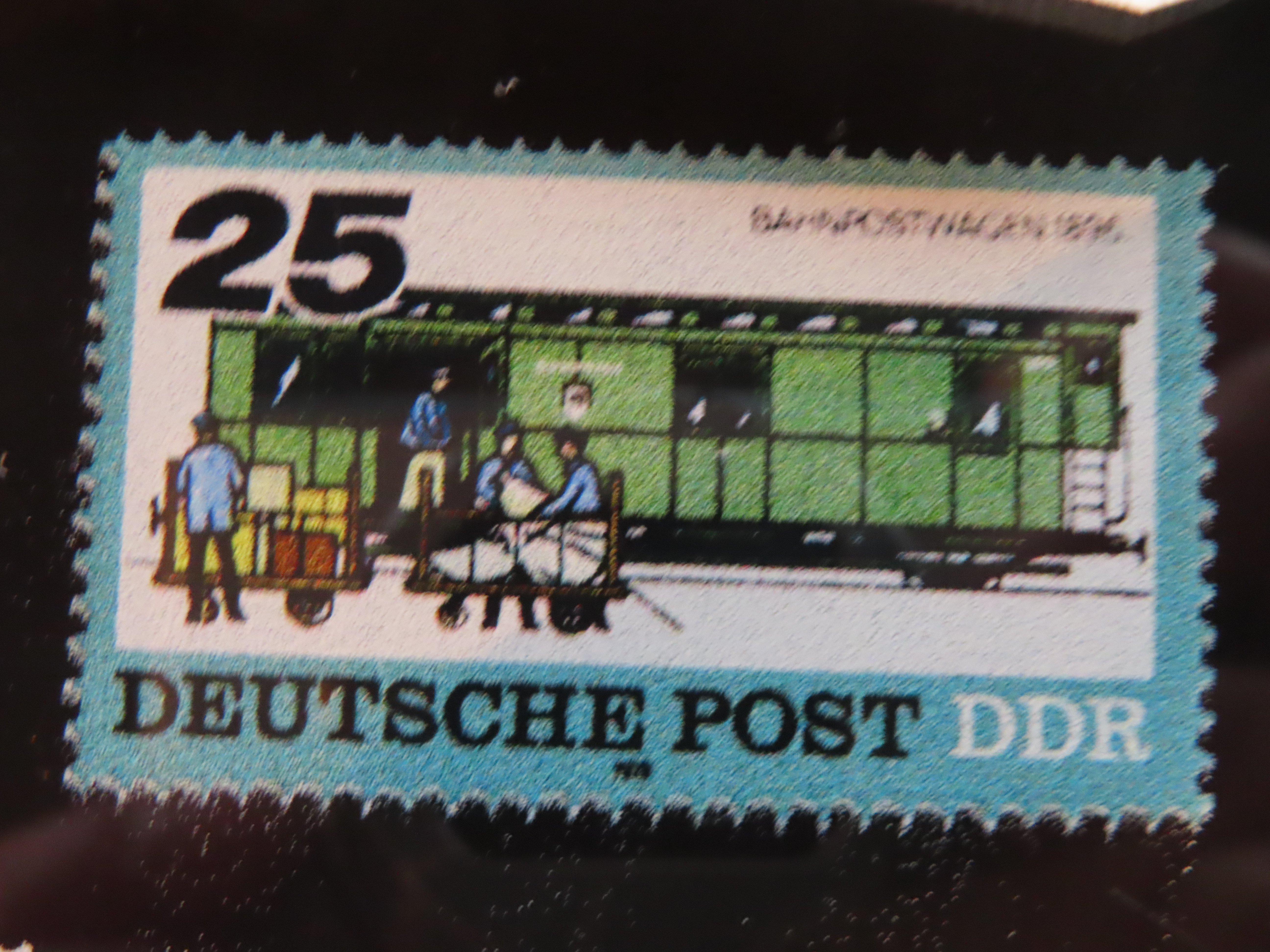
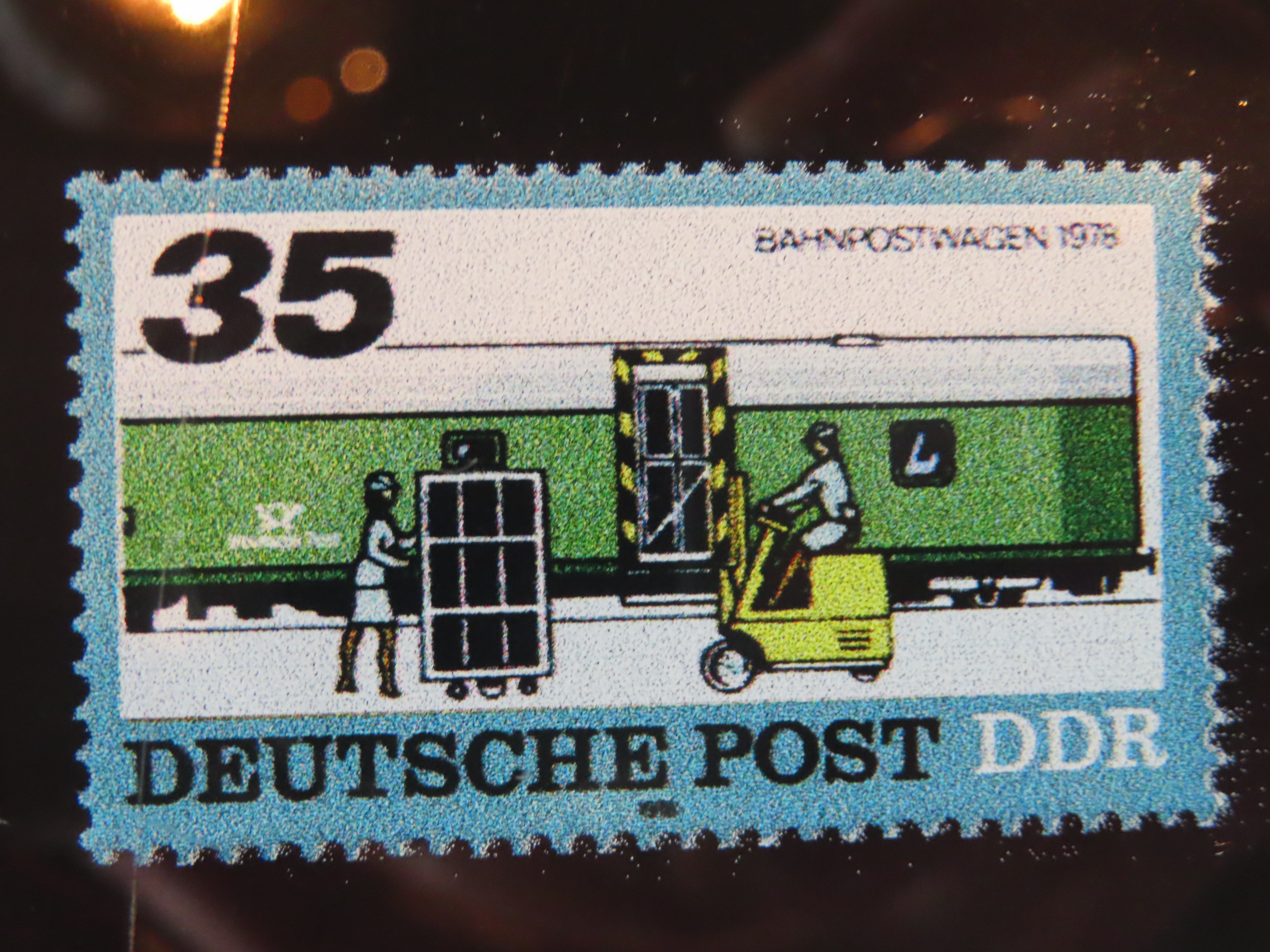
On the wall right in front of me was a painting of a postal carrier. On the table were stamps featuring East German postal workers. I was delighted to see them.
I asked a woman at the hotel reception what bicycle postal carriers do on rainy days. She said, “They wear rain jackets.”
I wished I had asked the postal carriers about their work instead of simply giving them postcards. The only German I could manage was, “Danke schön.”
